Creating an Eco-Friendly House: Embracing Sustainable Living in the UK
The building and construction sector alone is responsible for 37% of global carbon emissions, and residential buildings form a major part of them. In this article, discover best practices and useful tips to transform your home into an eco-friendly haven.

If there is one topic that has created a hullabaloo over the years, it has to be the predicament of climate change and carbon emissions.
The issue of climate change continues to be relevant though it has been at the epicentre of deliberations and discussions from several years. While sectors like Energy, Agriculture, Transport, and Industries, have significantly contributed to greenhouse gases and carbon emissions, but what we easily ignore is the impact of the building & construction sector, and the need for considering eco friendly houses and sustainable housing choices.
How is the Building & Construction Sector Contributing to Carbon Emissions?
It is quite apparent and obvious to understand that the design of the entire construction process itself is a major factor towards greenhouse gas emissions. Carbon emissions during the entire material processing, right from extraction and manufacturing, construction, renovation, demolition, and maintenance continue to negatively impact the environment and contribute to climate change. But what we may not realise is the degree of emissions that come from the inside of a residence.
In fact, homes in the UK account for about 20% of the total greenhouse gas emissions. A report from the House of Commons indicates that heating, electricity, and inadequate insulation are major contributors to carbon emissions from residential buildings. So, the big question is, how can this be changed? Is there a way to build or modify a house that is environmentally friendly, energy efficient, and has lesser dependency on resource usage?
Yes, there are ways to create an Eco-friendly Home!
What are Eco friendly Houses?
The good news is, eco friendly houses are not ideal and nor are they futuristic concepts. They are doable, done, and one most of the trending ideas that are turning into reality.
An eco-friendly home prioritises reduced reliance on natural resources and adopts methods and materials that are sustainable and renewable. It is also to be noted that eco friendly houses produce the least amount of waste throughout their entire lifecycle, right from construction, maintenance to demolition.
Key Characteristics of an Eco-friendly Home
Eco friendly houses are often characterised by energy-efficient designs driven by the desire to attain sustainability. This is often achieved through efficient usage of resources, energy conservation measures and mechanisms, reduced dependency on natural resources, along with the use of sustainable and renewable materials & resources.
Building an Eco-friendly Home
Before we jump to discussing the technical aspects, methods, and measures to build eco friendly houses, it is important to know what it takes to realise sustainable housing.
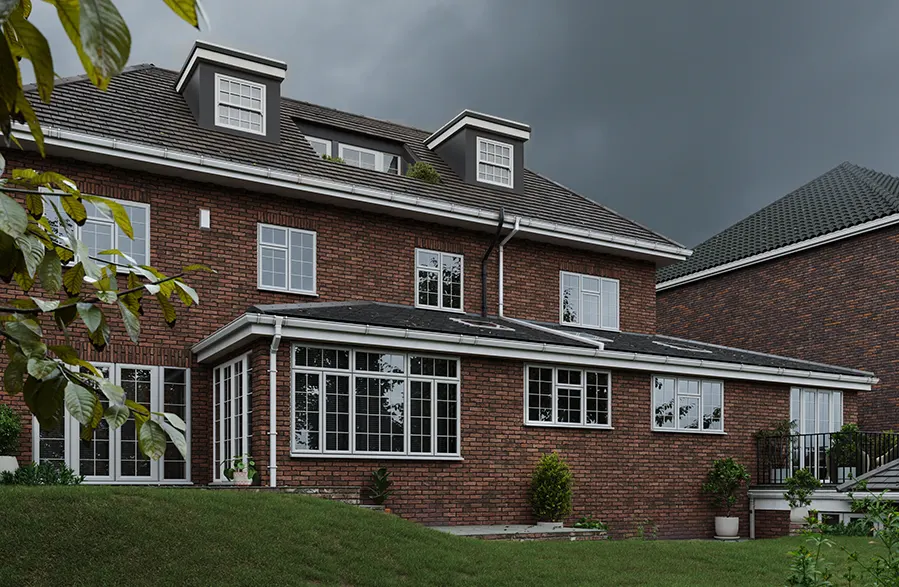
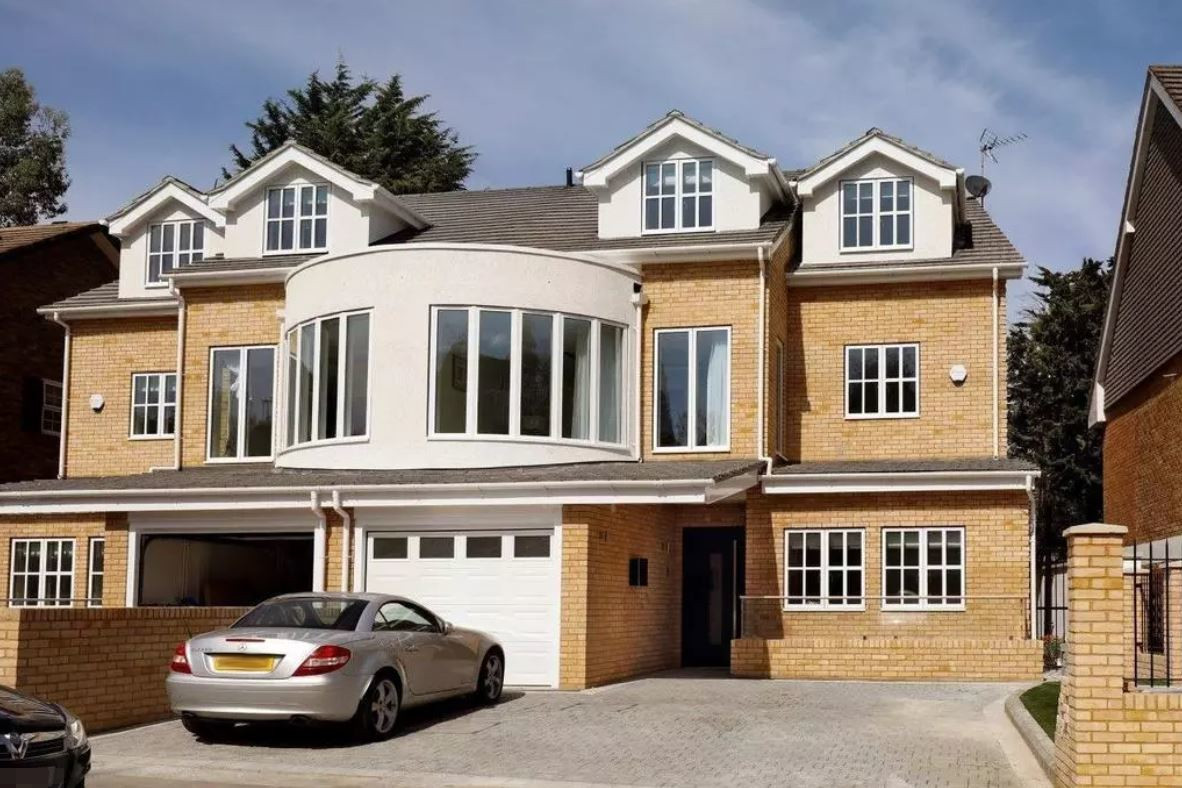
For example, if we consider the type of property, then newer properties are more energy efficient and eco-friendly than older properties. This is because properties that are built recently are mostly built using environmentally friendly materials and sustainable building methods, such as the use of double or triple glazing. Additionally, most of them feature cavity walls or insulated materials, which offer high energy efficiency outcomes.
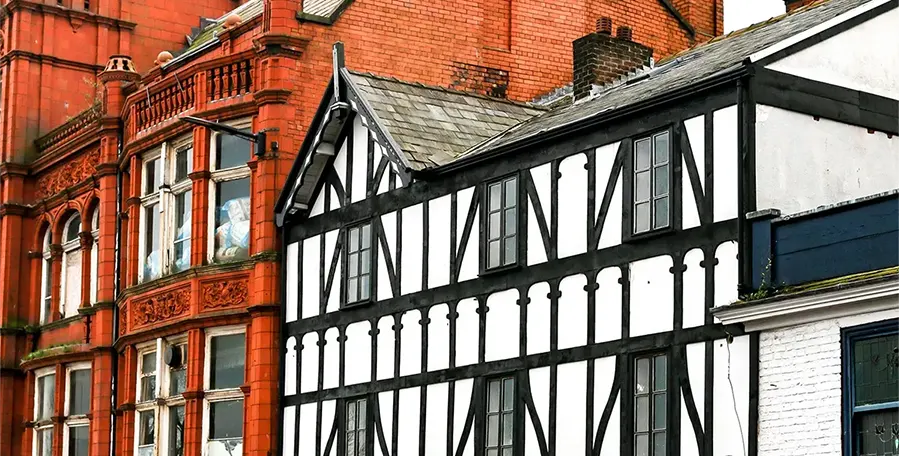
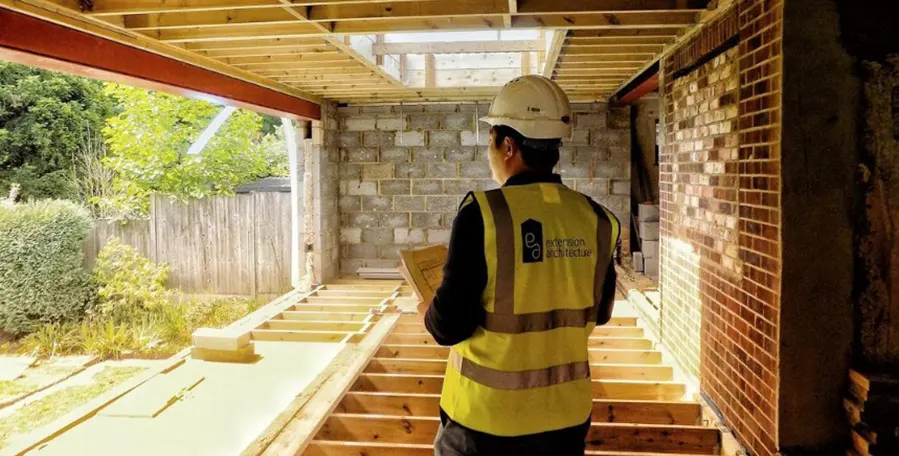
On the other hand, older properties require more work as most of them feature traditional brick walls and are built using single-glazed windows, which offer less insulation and increased heat loss respectively. Traditional properties, in addition, have older appliances which consume more energy and often lead to high energy bills.
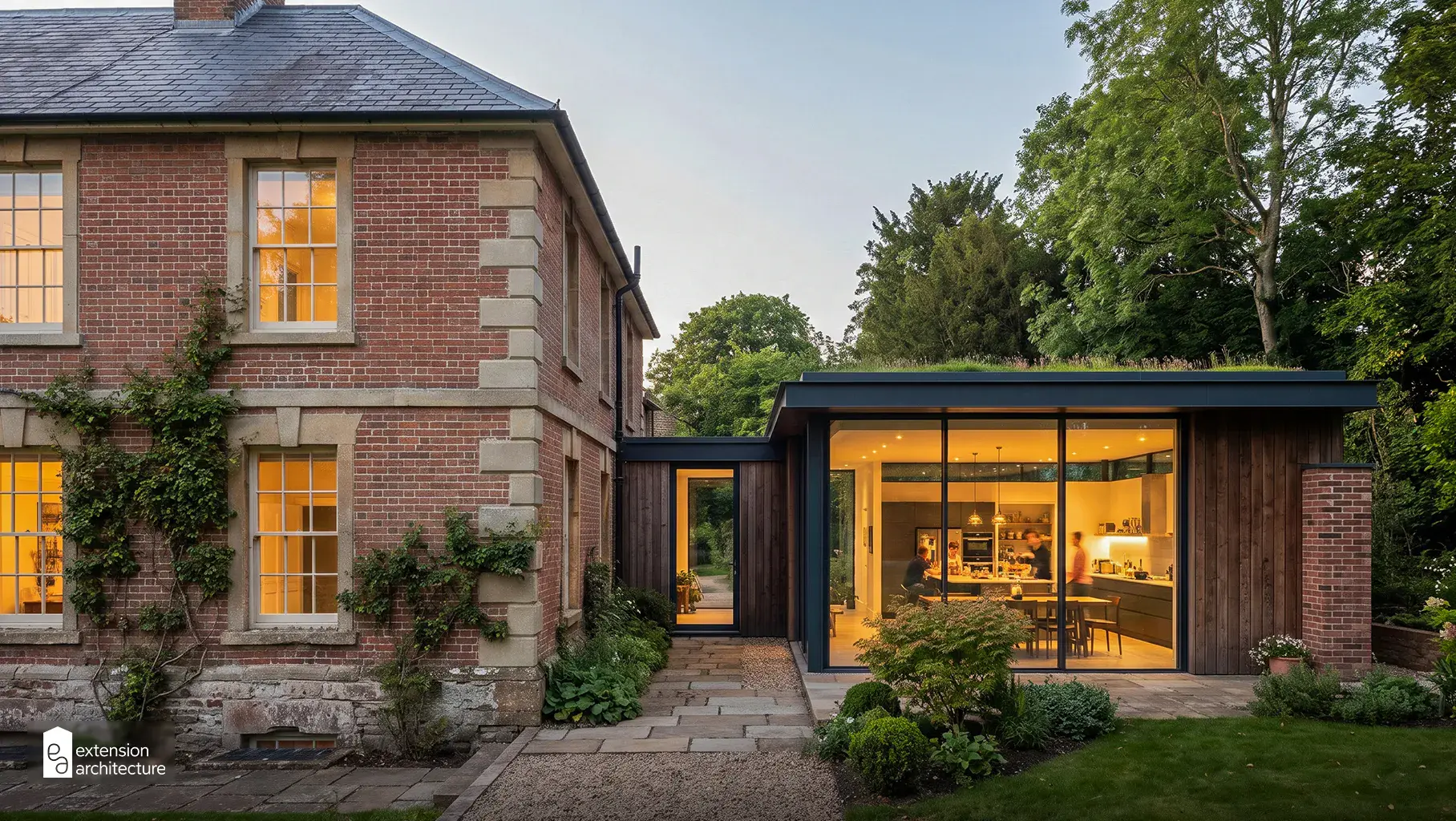
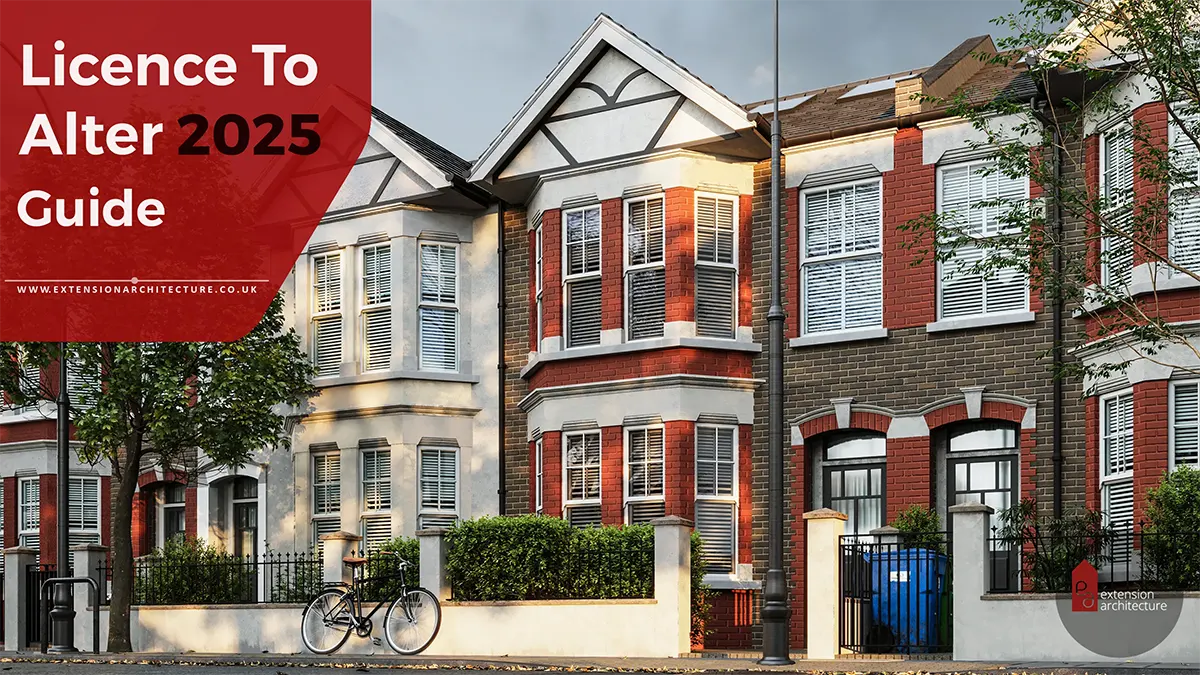
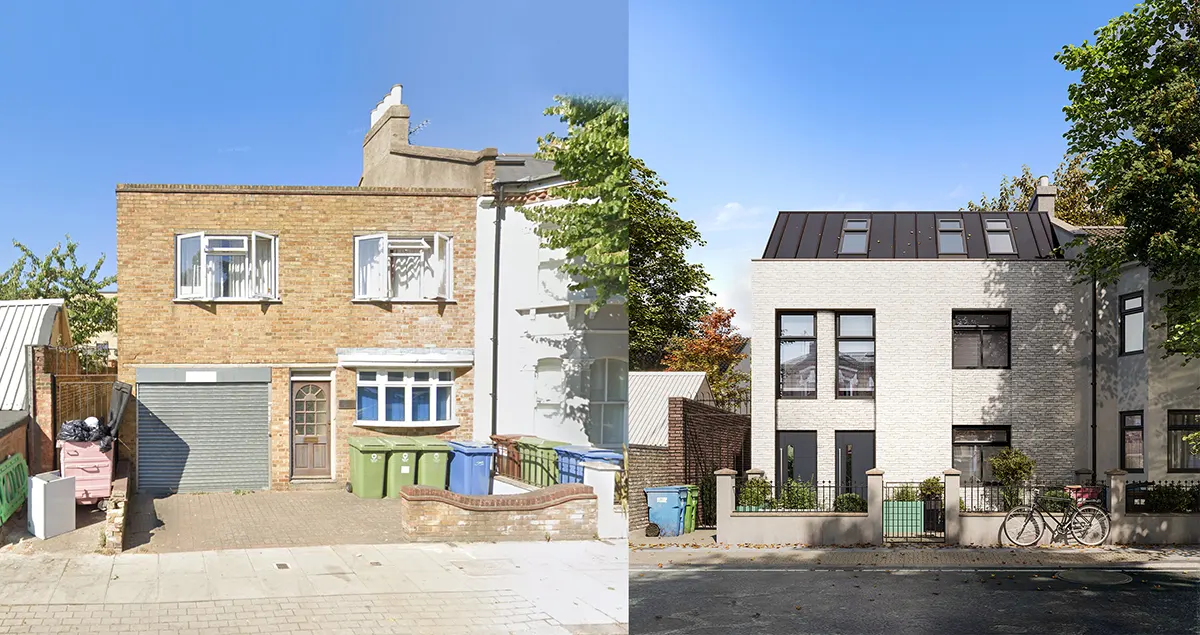
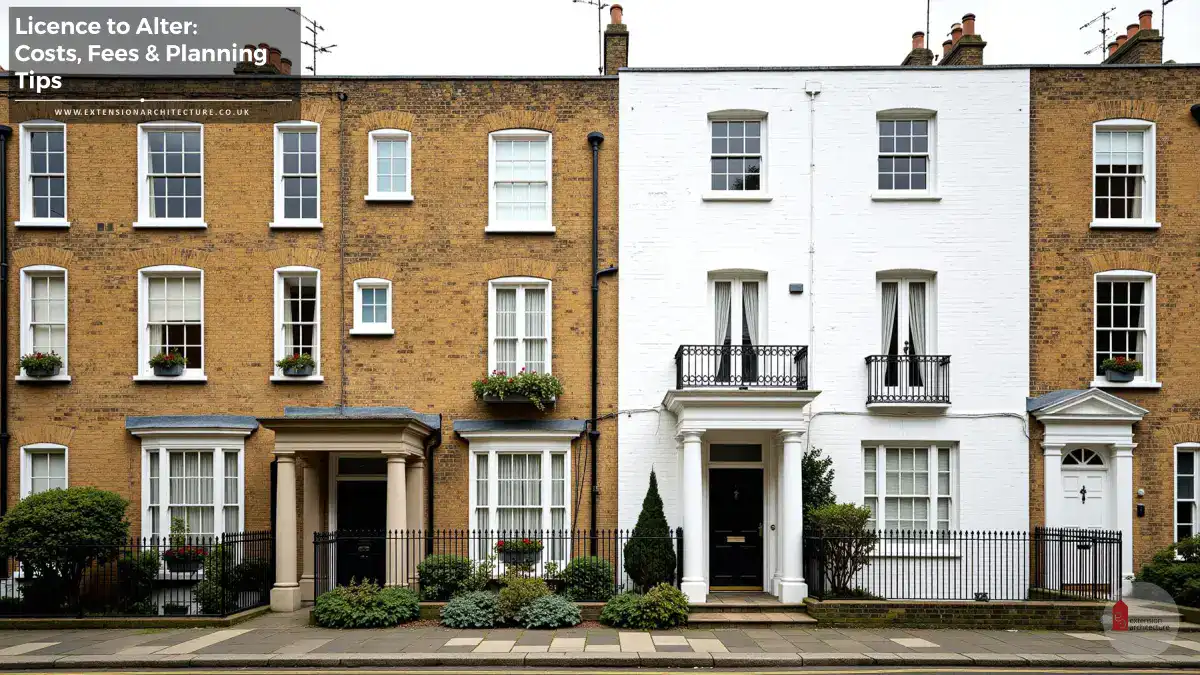
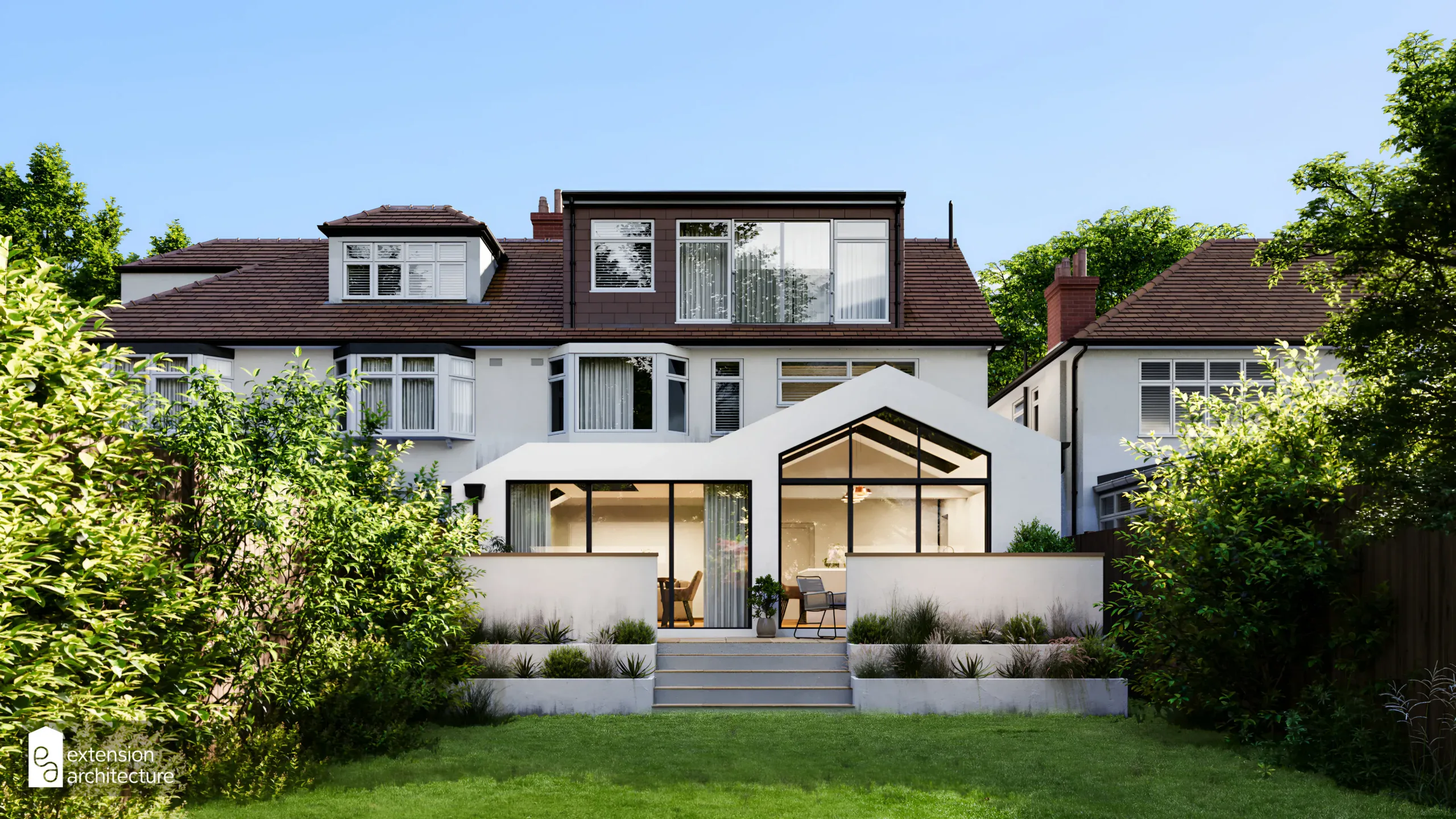
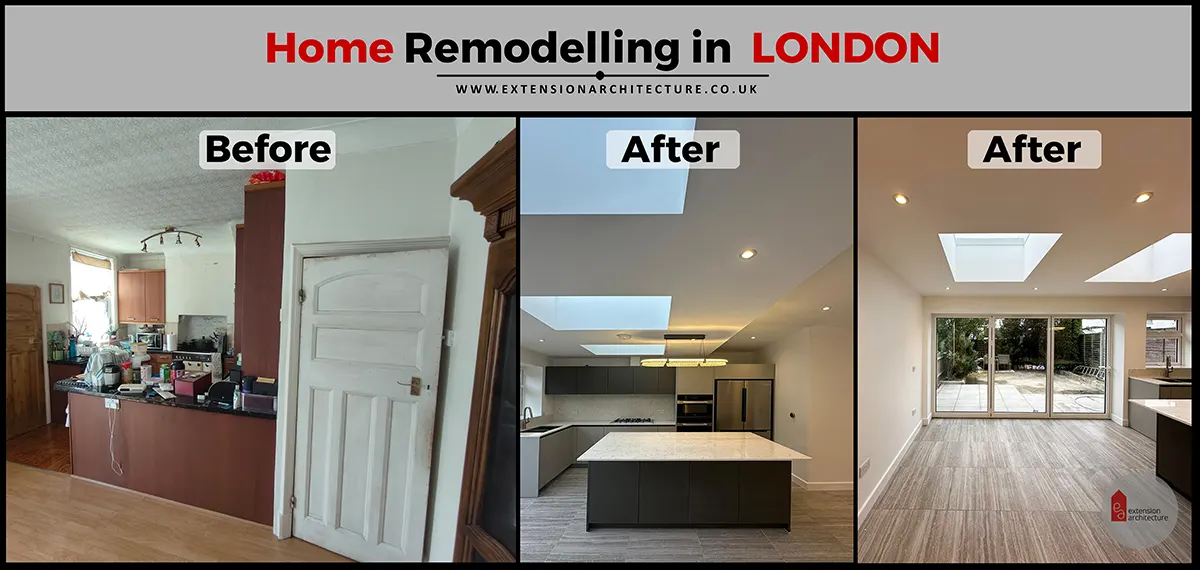
Although it can be a challenge to retrofit older properties, they can still be transformed but not without some expense. As a matter of fact, Victorian properties too can be transformed into an eco-friendly home by adequate application of insulation and modern glazing methods. So, there’s so much still to gain.
The reason we are pressing much on older properties is because the UK housing stock has a significant portion of older properties with about 38% of them built before 1946 and about 56% of them built before 1965.
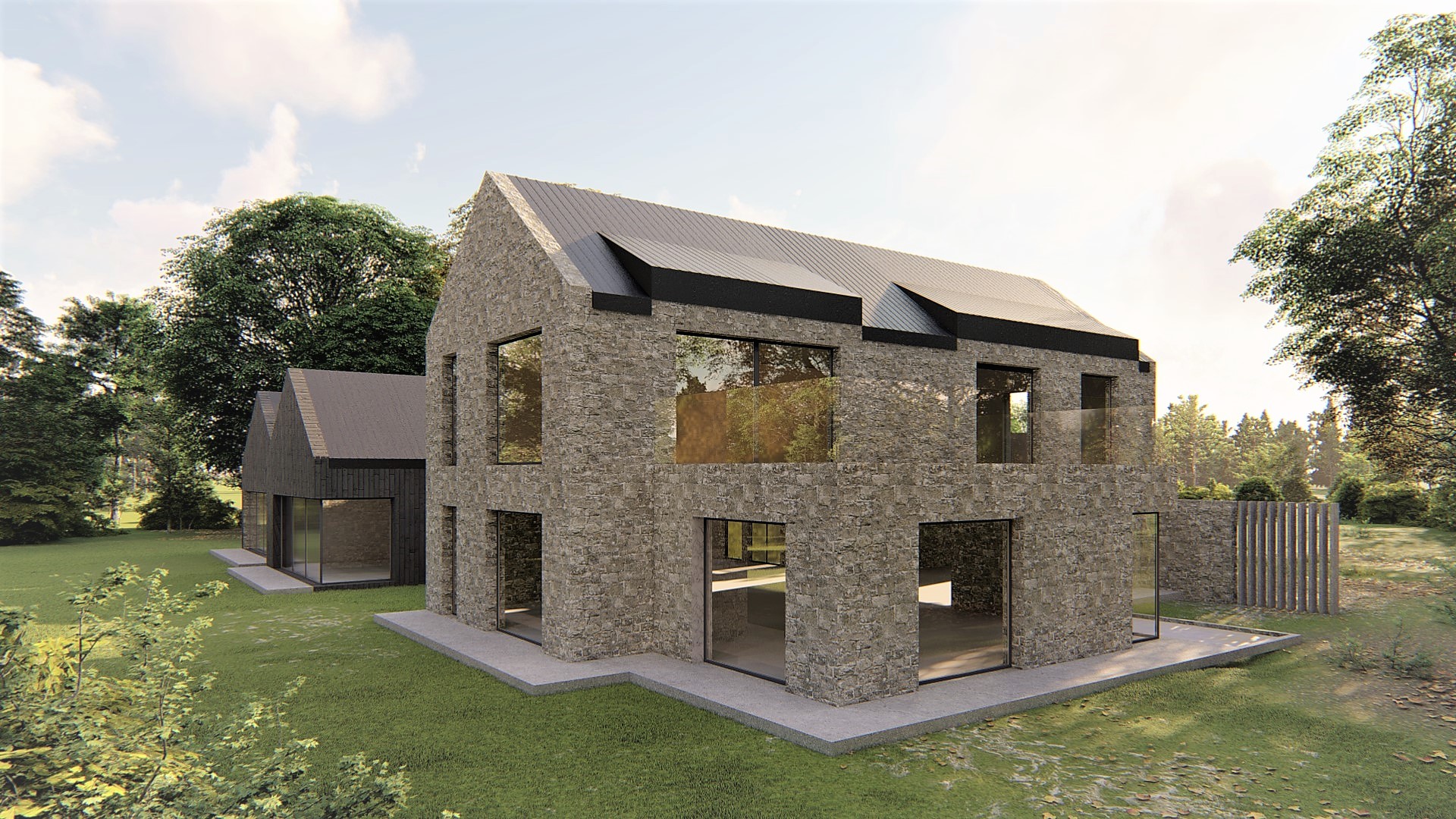
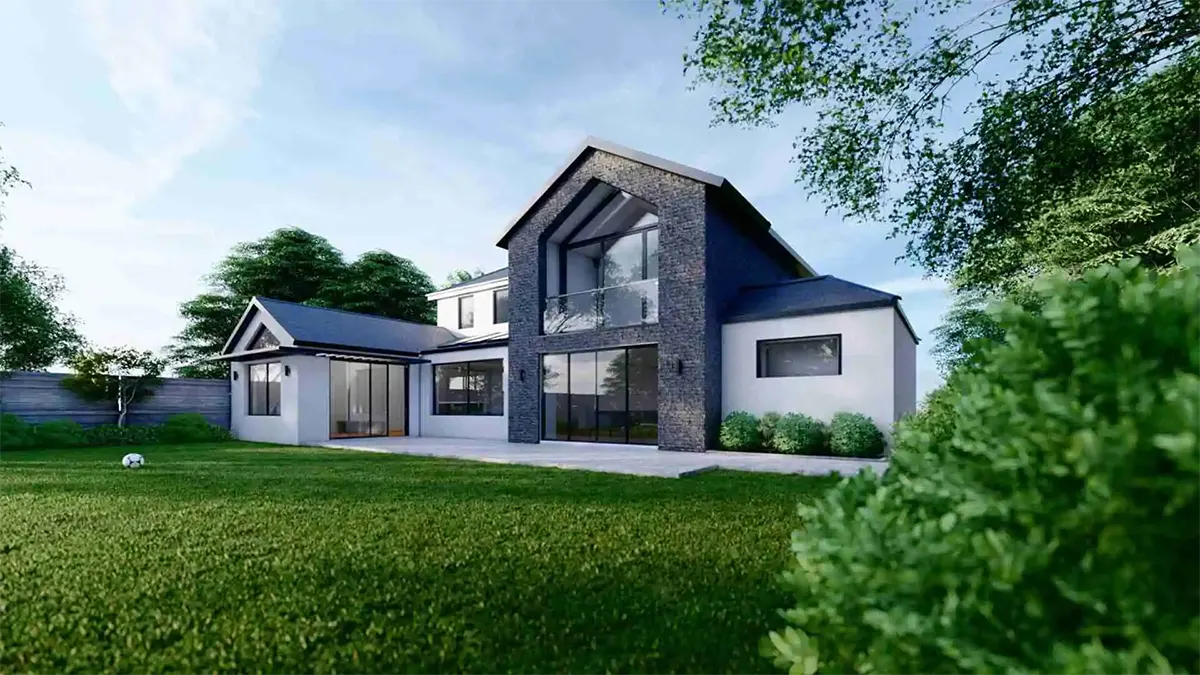
If you are building a new property, then you are best positioned to build yourself a sustainable house that can reap you benefits and rewards in the long run.
How to Build an Eco-friendly Home?
Whether you have an existing older property or any property, the following tips and measures will transform your property into a sustainable and energy-efficient home –
1. Insulation
Did you know that more than 30% of a home’s heat is lost because of improper insulation? Yes, heat can escape from floors, walls, windows, and doors of a property if it is inadequately insulated. The majority of the heat is lost through walls (about 30%), roof (about 25%), which is why it is imperative to efficiently insulate at key areas.
Insulation materials that are sustainable and great choices for insulating your home –
- Hemp wool: Hemp as a material can be used as compost post usage and can be used for insulating pitched roofs, floors, and ceilings.
- Cork: Cork as an insulation material can be highly effective, especially during summer, as it can quite easily keep the walls cool. This is because corks store a large amount of heat and thereby contributes towards better insulation. They are also long-lasting, some lasting for even decades.
- Sheep wool: Sheep wool can work wonders as they are naturally fire-resistant. They can readily absorb moisture and exhibit excellent thermal performance and sound insulation properties. They can be installed at various places, including between floor joists, in wall cavities, lofts, ceilings, etc.
- Cotton: Materials like cotton have a greater R-value, making them highly energy efficient. In addition, they are made from recycled materials, which is why they contribute to the greener idea of sustainability.
Whether you are building a new house or want to upgrade your existing house to make it more energy efficient, insulating your home is critical to ensure a sustainable and comfortable living experience.
2. Dampness
If yours is an older property, then this may be a common issue. Damp issues in properties mean that more moisture content and hence more heat will be required to maintain the overall balance. In addition, dampness contributes to bad air quality and triggers mould growth, which is very harmful from a health perspective.
Older properties rarely used damp-proofing methods and lacked proper ventilation, which is why they are more prone to damp issues.
- Check for cracks and rust on pipes
- Apply a damp-proof course that will help in preventing moisture accumulation in the brick walls.
- A damp-proof membrane can also be a good option to prevent moisture from spreading to the walls.
- Ensure ample ventilation by use of extractor fans or by keeping the vents of the windows open.
- Check for leaky roofs or gutter lines that may have been damaged.
3. Renewable Energy
Reduced reliance on the grid means reduced reliance on non-renewable energy, which results in lower carbon emissions. Dependency on the grid also means that you are paying more towards energy bills, along with higher energy consumption.
On the other hand, EPC ratings have become pivotal in assessing a property’s energy performance and greatly influence a property’s transactional value. Adopting renewable energy sources will greatly reduce the reliance on the grid and contribute to reduced carbon emissions and sustainable living. Here’s what you can do –
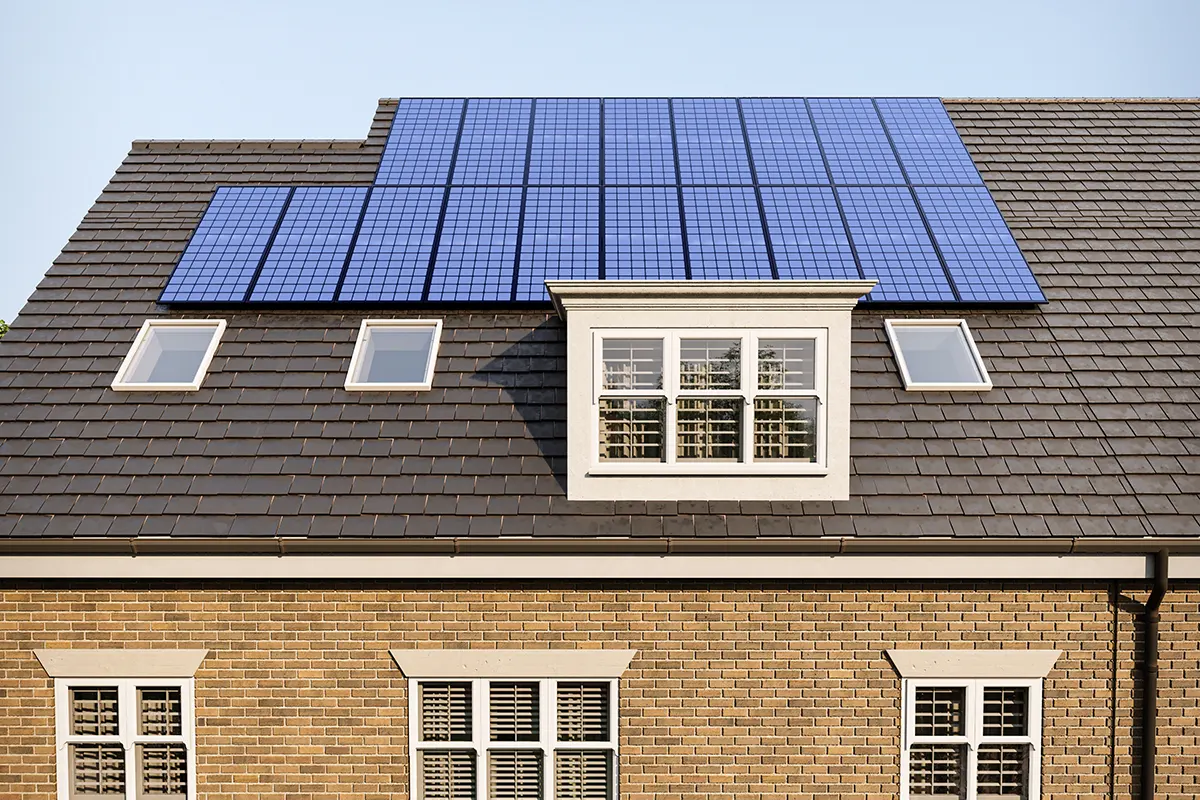
- Installing solar panels will reduce grid dependency for heating water and aid in heating other systems of your home.
- Heat pumps will become the future norm. The future of the usage of gas boilers continues to be foggy, with the government still indecisive about banning gas boilers to achieve their net-zero target, heat pumps have emerged as energy-efficient alternatives. In fact, heat pumps are a very active part of the government’s “Green Industrial Revolution” with plans to increase installations across the UK.
4. Water Conservation
This has to be at the top of your energy savings to-dos, with rainwater harvesting emerging as the most beneficial of all techniques.
- Rainwater collected in tanks can be used for gardening, washing cars, and, not to forget, for flushing in WCs as they result in unaccounted water wastage.
- Installing low-flush toilets and smart showers will regulate water consumption and usage.
5. Glazing
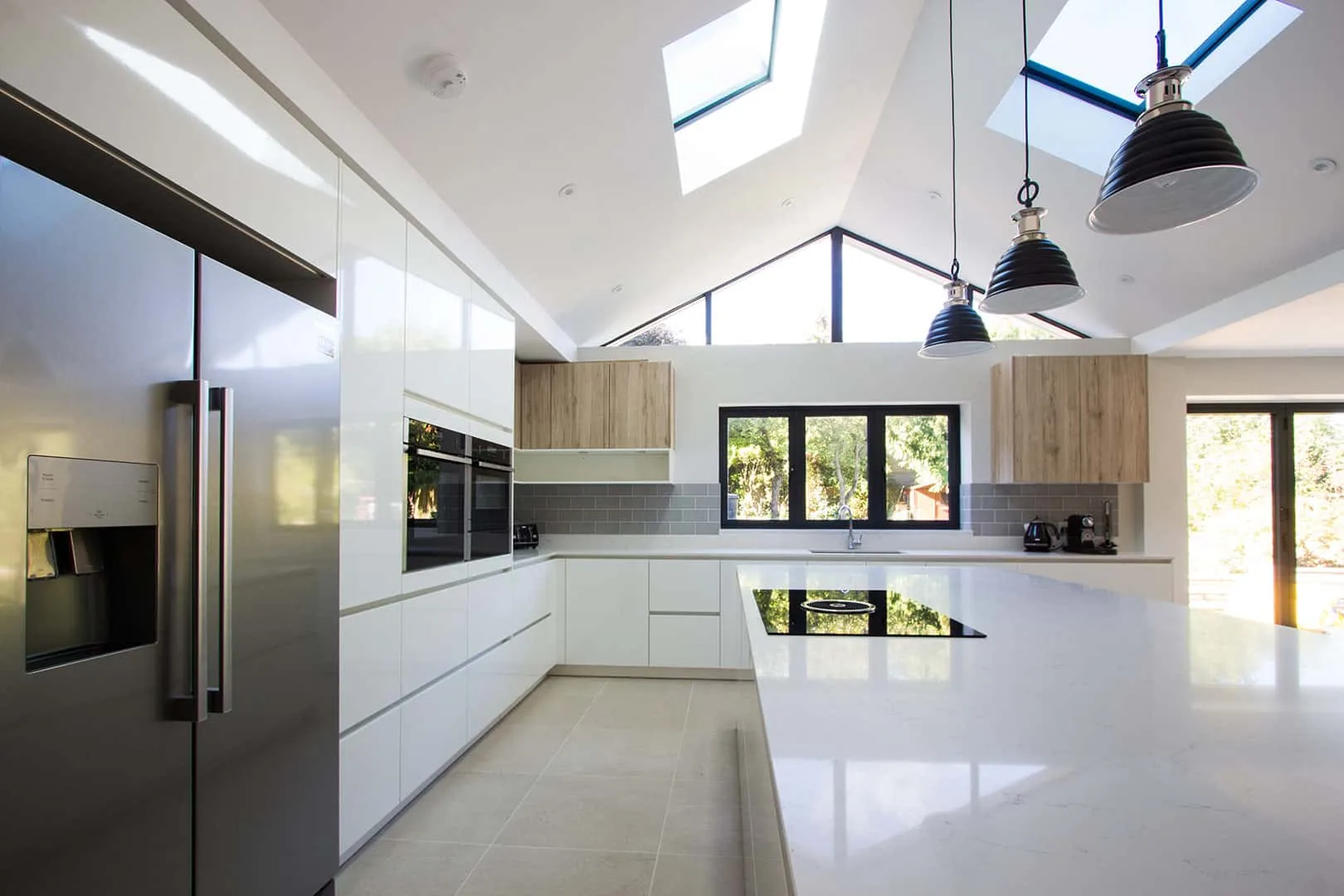
Incorporating advanced glazing mechanisms will lower your energy bills. Double or triple glazing minimises heat loss in winter and similarly resists maximum heat inflow during summer, resulting in a comfortable indoor environment. Glazing also allows ample natural light inflow into the house and reduces the need for artificial lighting.
This means that there will be reduced reliance on grids and heating & cooling systems, which helps conserve energy in the long run.
6. Airtightness
Ensuring an airtight home is crucial to achieving energy efficiency. If it is an older home, the chances of gaps around windows, doors, and in floor plasterboards will be higher.
Use of sealants at joints and seams of doors, windows will help the cause. Draughtstripping and the use of liquid membranes on roofs, walls, and floors will create a permanent barrier that resists air leakage.
7. Design Approach
There are various design standards that are energy efficient while also help in creating a living space that is comfortable with decreased reliance on artificial resources.
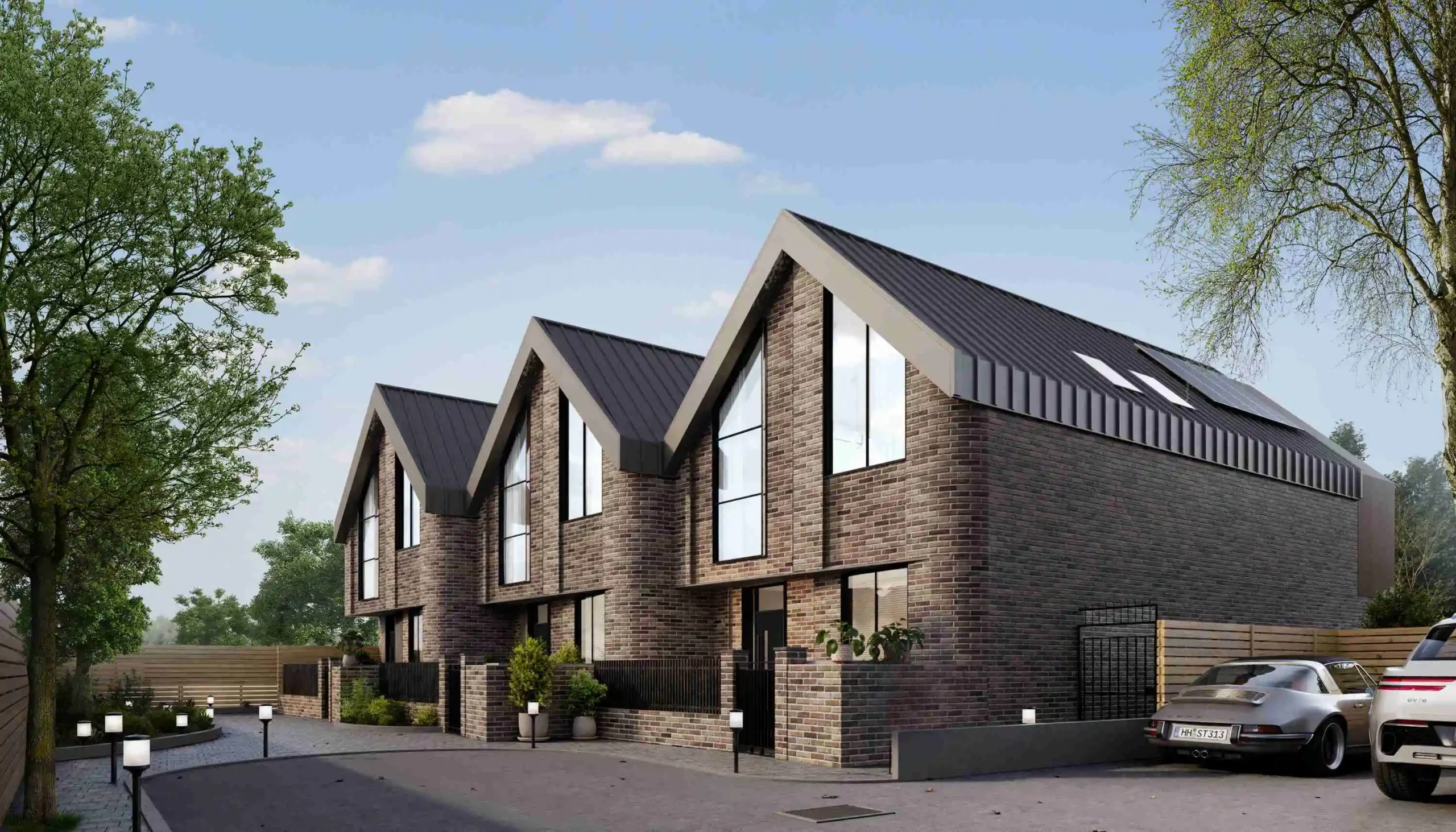
Passivhouse design standards are worth considering as they are touted to be the leading standard for energy-efficient constructions. The design of a passivhouse standard is characterised by high insulation levels that cover the entire building, airtight construction, and ample ventilation systems. High-performance windows and thermal bridge-free construction that facilitates seamless heat transfer.
The passivhouse standard can be adopted for new builds and can also be incorporated into existing properties.
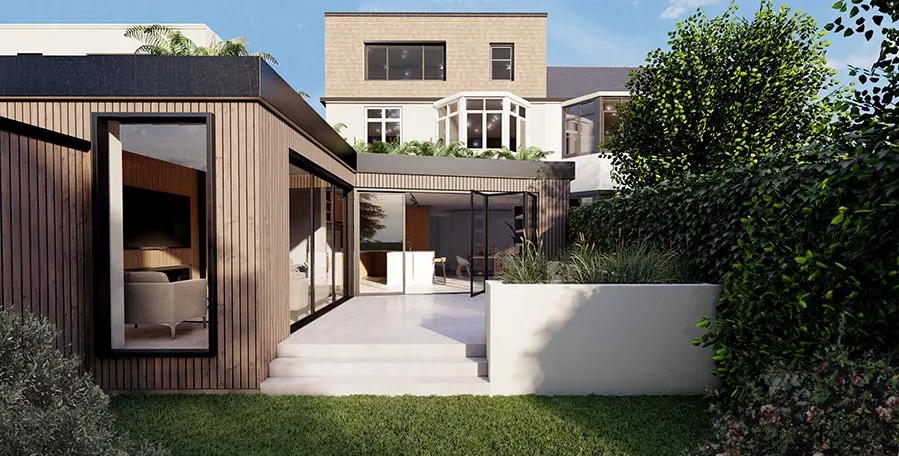
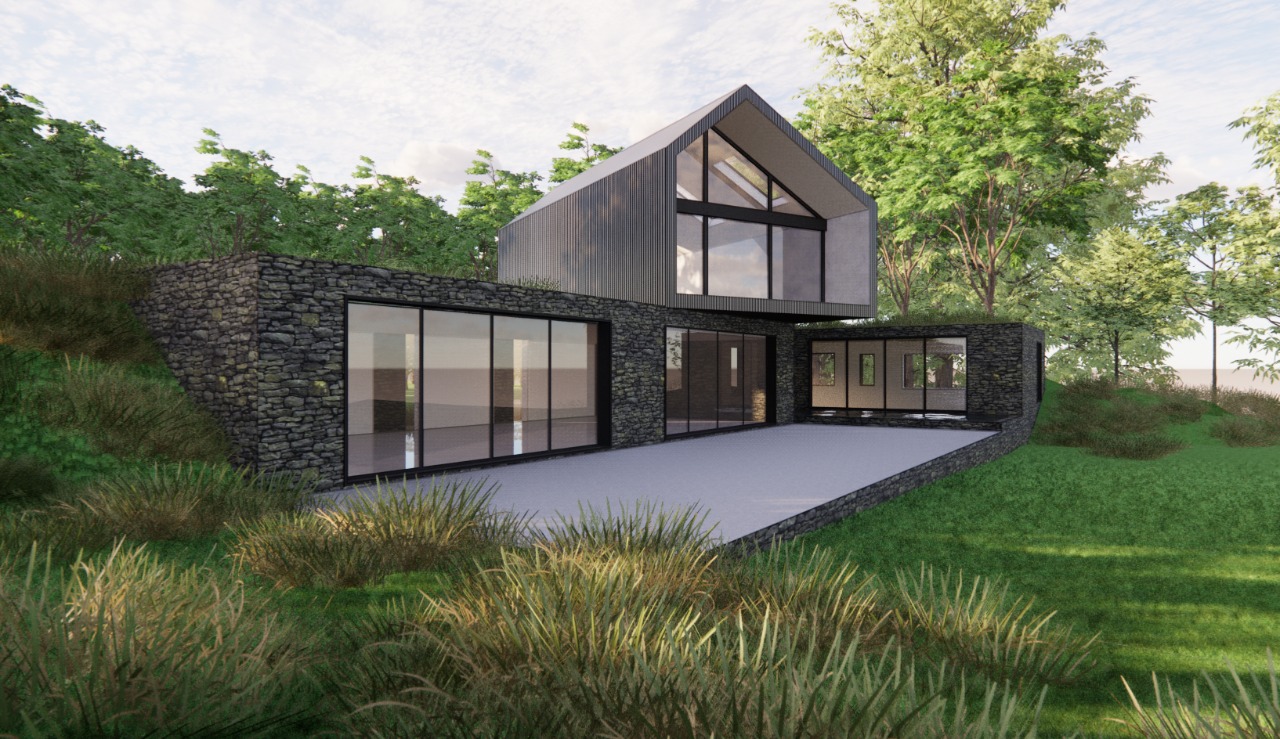
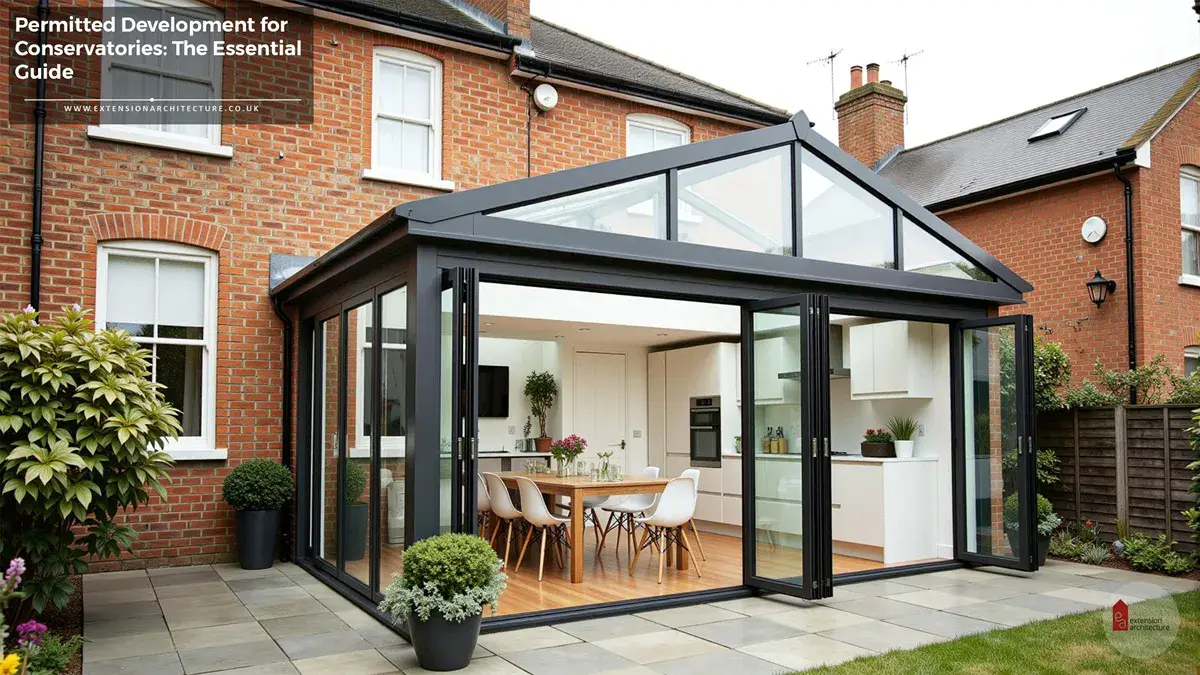
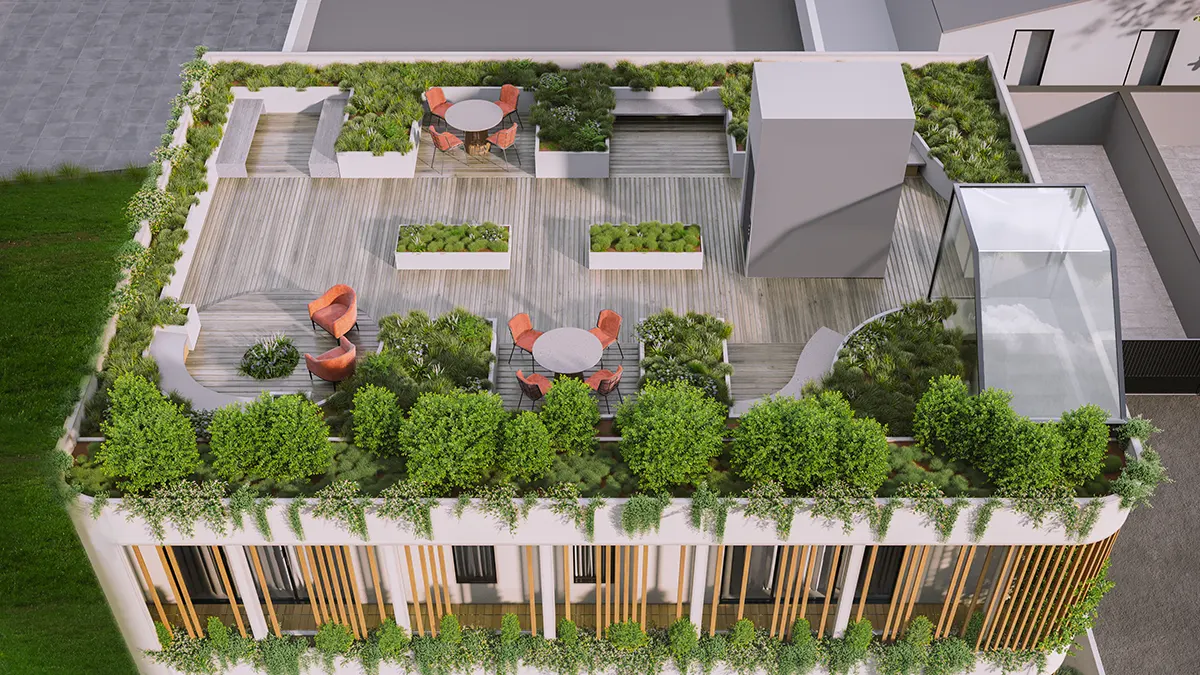
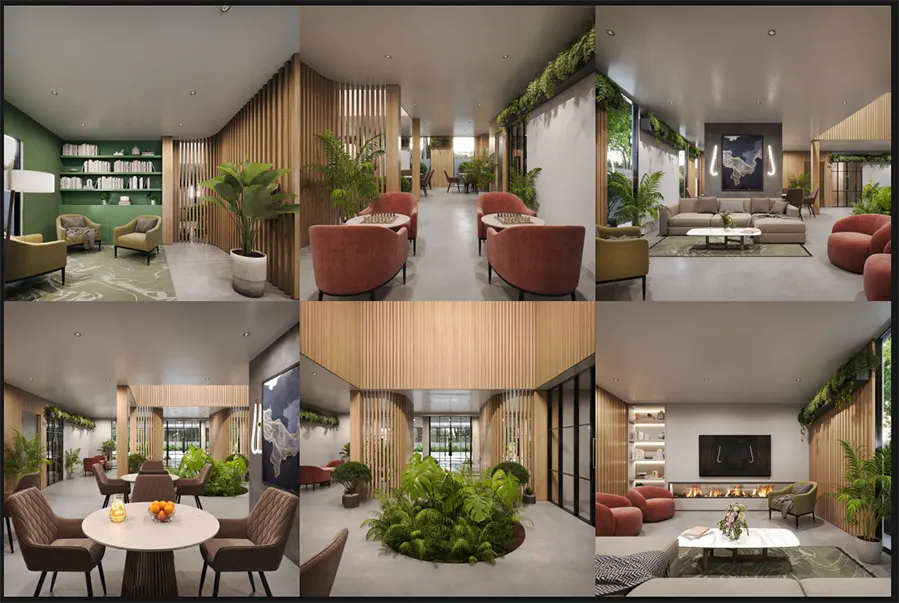
Biophilic Design is characterised by the use of natural elements and methods to conserve energy. They are characterised use of natural materials, expansive windows, patio doors, vertical gardens, rainwater harvesting systems and many other environmentally friendly features.
What Else Can be Done to Ensure an Eco-friendly Home?
There are many routine things if altered, can result in an eco-friendly home. Though they are the simplest of ways, they are the ones we tend to forget adopting as habits –
- Switch to eco-friendly LED lights as they drastically reduce energy consumption than traditional bulbs.
- Keep a check on your home’s EPC rating and timely incorporate the necessary changes. This may involve insulating your home, sealing gaps in windows and doors, and adopting newer energy efficient practices and upgrades.
- Turn off grid devices when not in use. This is the most basic step to save the minimum energy at home. Switching off ACs, chargers, lights, and other grid-dependent devices when they are not in use is crucial.
Conclusion
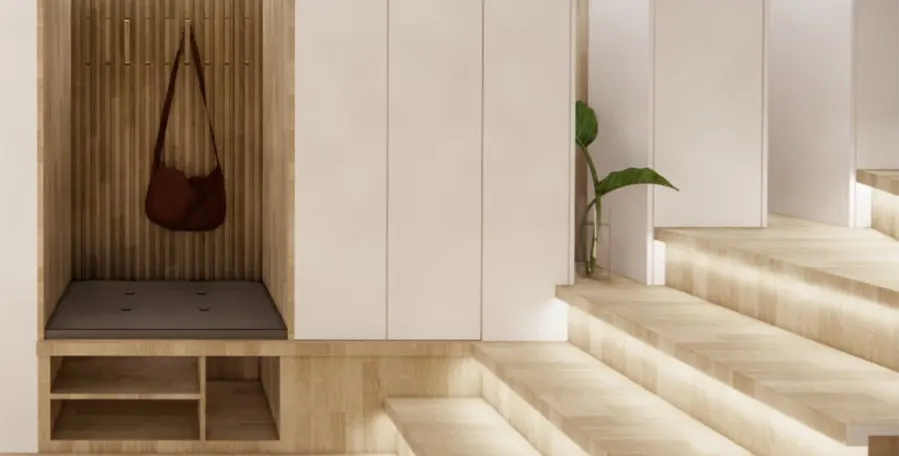
Reclaimed materials should be a top priority when considering building eco friendly houses. Wood sourced from old buildings and structures can be used to design kitchen cabinets or other storage options in rooms and utilities. Investing in smart technology and smart appliances is increasingly beneficial as they reduce resource wastage and save on energy bills.
There are also several grants from the government initiated towards encouraging homeowners to adopt energy-efficient mechanisms. All you require is an inspired effort and guidance from experts.
If you are looking for ways to make your home an eco-friendly one, talk to our experts at Extension Architecture. We not only specialise in integrating sustainable practices to existing buildings but are also experts in energy efficient designs that manifest into rewarding outcomes.