How Long Does a House Extension Take & When’s the Best Time to Build?
Being seasoned specialists in house extensions, hear straight from the horse’s mouth as Extension Architecture unravels how long a house extension should really take, and which is the best time to go about an extension project.

In Brief
- Home extensions can vary depending on the type and complexity, and various other factors.
- In general, a home extension should typically finish within 10-15 months, taking into account all the influencing factors.
- Planning permission usually takes up 1-3 months of your time.
- Hiring a builder through a tender process is often cumbersome, which is why a design and build company will always benefit.
- Extension Architecture offers design and build services and a unified approach that not only saves time but also cost.
Planning an extension? Let us know your idea, and we shall offer you a free quote and an estimate of the timeline.
Any house renovation project should be planned and executed with a time target to ensure you don’t exceed the initial budget. It is hence crucial for a homeowner to be knowledgeable of the time it takes to build an extension and to be contemplative about which is the best time to take up an extension project to avoid disruptions of any kind.
All being said, having furnished a myriad of extension projects across Surrey, London, and beyond, we at Extension Architecture, from our collective and extensive experience, can guarantee that no two extension projects can be the same, even if done consecutively at frequent intervals. It is hence a challenge to establish a definitive time for an extension project as it largely depends on the scale, complexity, design approach, and, more importantly, the planning laws.
But what we can certainly establish is a time estimate considering an ideal extension project detailing through each phase from scratch, and the approximate time a phase may take for its completion.
How Long Does an Extension Take? Timeline & Best Time to Build
To start with, let’s give you a heads-up on a couple of projects. Small-scale extensions can be executed within 3-5 months if planned well, while larger extensions may take more time, and can extend up to 12-15 months depending upon the complexity. Having said that, it is however crucial to work with experts and specialists who can establish clear timelines and projections for each step of the project.
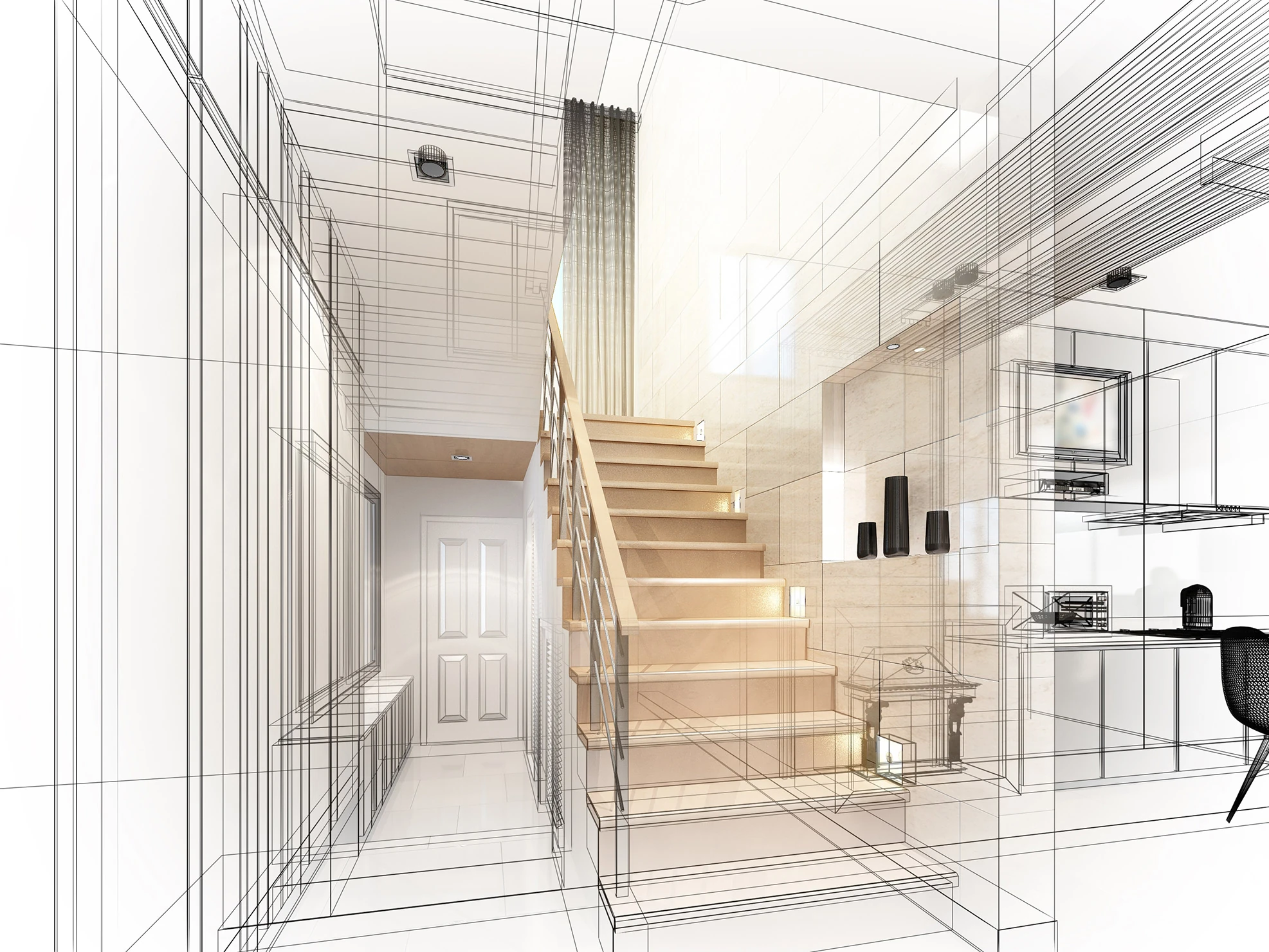
1. Planning and Design (2-4 Months)
This is a phase that may consume more time than you may have thought. This is because planning design, though can be exciting, it also means establishing a plan & design concept that will be a permanent part of your house. This hence, may involve frequent changes and corrections, which may take time to tick every box and finalise on a decision.
2. Preparation and Pre-construction (2-3 Months)
After you have planned out your design, you will now prepare the ground for the extension. This mainly involves site and foundation work and may also necessitate for any excavation works when builders encounter a tree root or any element that may act as an obstacle during the preparation of the foundation.
3. Planning Approvals & Building Regulations (1-2 Months)
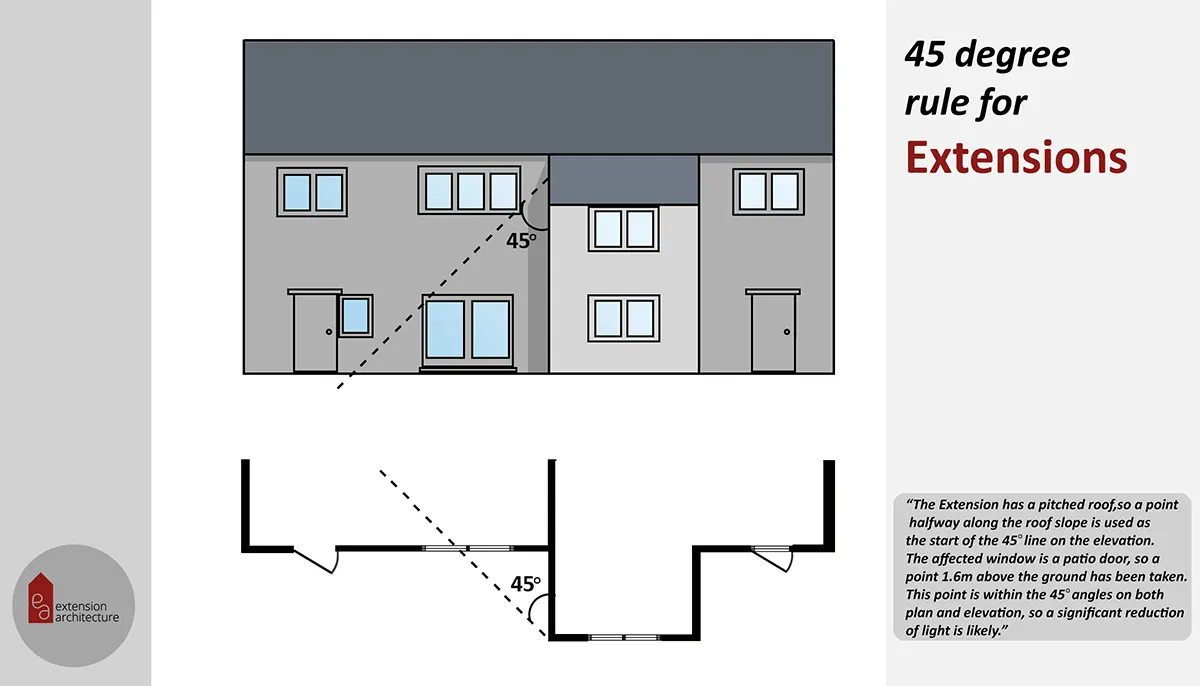
This is a phase where you need to rest your heels. Once your structural engineer or planning consultant has submitted the planning applications to the local planning authority (LPA), your LPA might take some time to assess and respond to your application. This may also involve suggesting alterations to the design if it is a case of non-compliance with permitted development.
4. Building Regulations (1-2 Months)
Besides planning laws, which is subject to the design, every construction project has to go through the essentials of abiding by safety regulations, which is where the building regulations come into the picture. Sorting building regulations involves compliance with the safety and health of the building structure and ensuring the building remains safe from fire or any type of hazards. Usually, a structural engineer will pull off detailed calculations and drawings, including submission, which may take at least 1-2 months.
Assuming that you have already hired a design and build company like Extension Architecture, where our approach involves offering end-to-end services right from planning to completion, which will help you save more time (1-3 Months), which would otherwise go into exploring a builder by means of a tendering process.
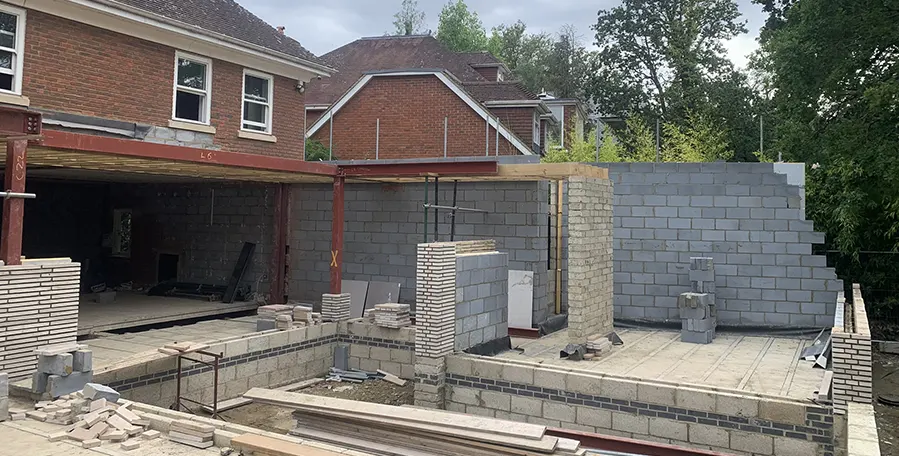
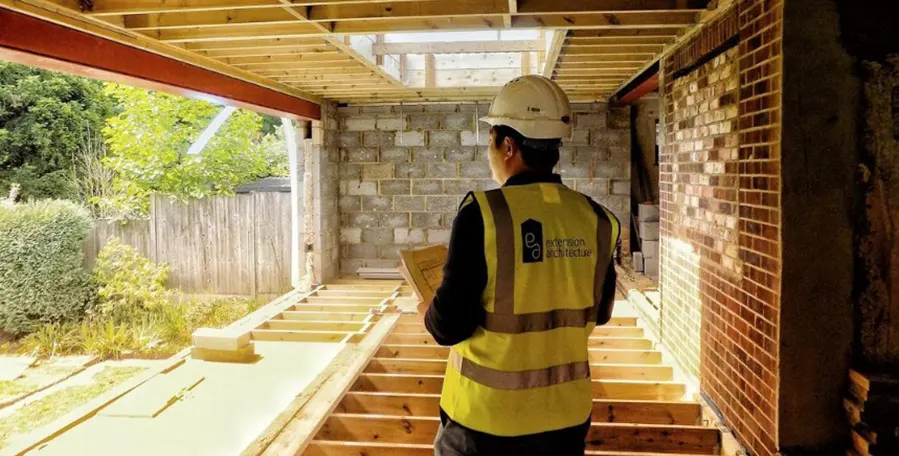
5. Construction (3-5 Months)
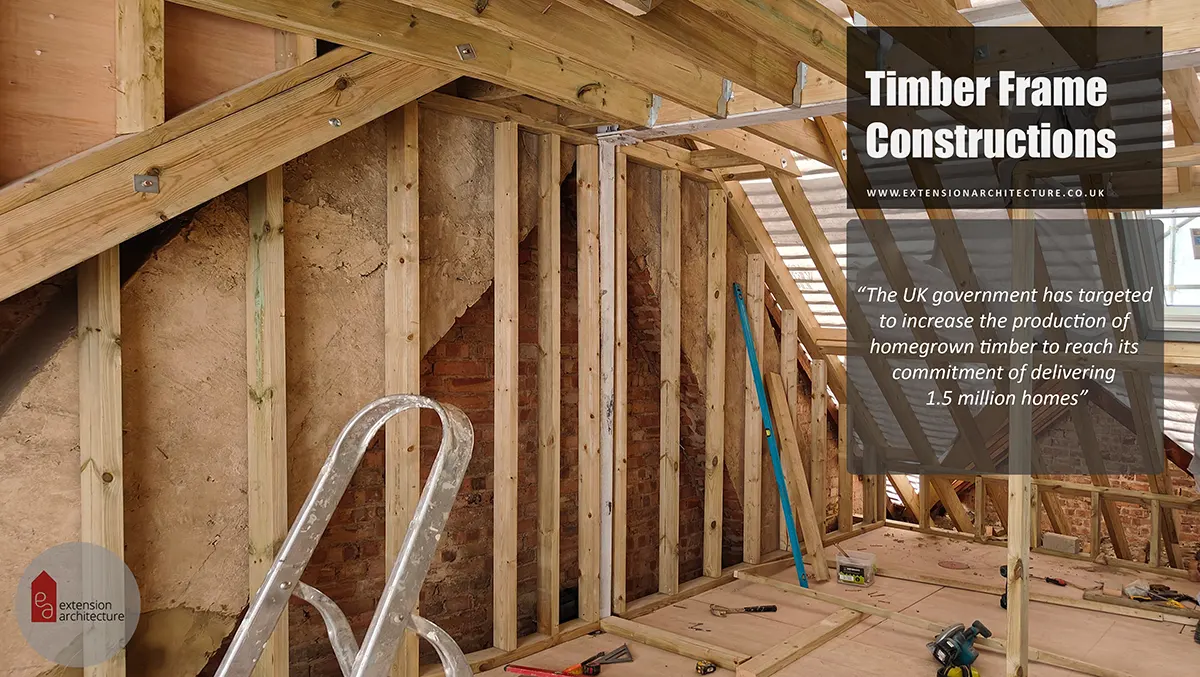
This is a purely practical and realistic phase. Construction of the design will depend on various factors, including availability of labour & resources, weather conditions, and largely on the quantum & complexity of the project. If your extension involves the incorporation of energy-efficient elements and methods, it will take longer than your usual build with a brick extension.
This is where you stand as of now with your extension project. Please note that these are estimates ranging from low to high, in tune with the scale of the extension you are carrying out.
When is the Best Time to Build an Extension in the UK?
Deciding on the best time of the year to build an extension is both subjective and objective, and for this reason, this can go on and on. But if you’re listening, it is always a contemplative one too, one that involves reasoning and a thoughtful approach.
Besides the weather that can play a vital role in disrupting an extension project, availability of resources & manpower, the cost of materials, labour cost, etc, will all impact when deciding the best time to build an extension. It is hence paramount to have a broader approach to decide on the time of the build.
- Let’s say you start to plan by the beginning of February or December; you will then require some time to plan and design, which will consume at least 1-3 months.
- You will now enter the end of March or April, which will be ideal to prepare the ground and the foundations for the extensions, as April usually tends to be a bit warm with sunshine.
- Perhaps you have now sent your application for submission to the LPA and are waiting, which will easily take 2-3 months.
- Once you have received approval by June or July, you can now start planning your construction as the months of June, July, and August will typically be hot and warm, ideal for construction.
Now that we have given you a heads-up with regards to the timeline, let’s find out which months around the year influence the construction most and which are those that can be more conducive for a construction project.
Spring (March to May) can be a good time, given a friendly weather, and availability of labour and other resources shouldn’t be a problem either.
Summer (June to August/September) will always be an ideal time for construction as these months will be hot and dry and will usually have longer daylight hours. Not to forget, they can also be busy with regard to availability of labour and resources, as most homeowners desire to start by this time.
Autumn (September to the Start of December) can be arguable as these months experience colder and milder weather when compared to summer, with shorter daylight times. Autumn can be particularly good to plan, design, and prepare foundations as the grounds may not be frozen or damp yet.
Winter (December to March) is generally not considered an ideal time for any construction as the weather will usually be damp, wet, and cold. But however, you will have the advantage of labour and material availability.
Key Factors that Affect Extension Timelines
There are factors that play a decisive role in either speeding up or delaying an extension project significantly.
1. Type and Complexity of the Project
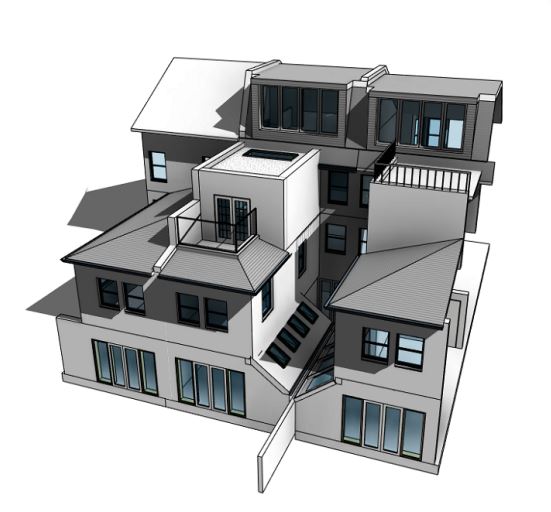
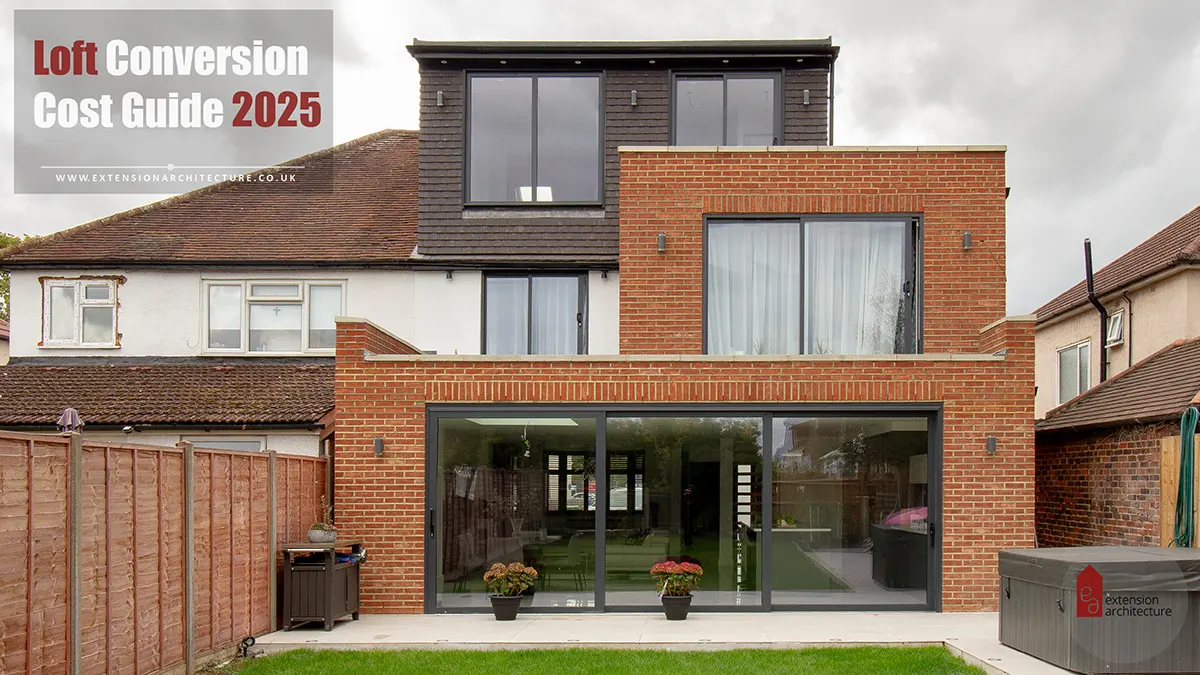
A straightforward extension, such as a single storey side or rear extension, may take less time when compared to a double storey extension, wraparound extension, or a loft conversion, as the latter usually involves a longer build process, complex design, and entails more regulatory requirements.
2. Structural Requirements
Extensions that require more structural work, like removal of load-bearing walls, installing steel supports in the form of beams and walls, will require more calculations and hence the preparation time will be longer. Also, because such projects are monitored strictly for building control and regulations.
3. Planning Permission & Permitted Development
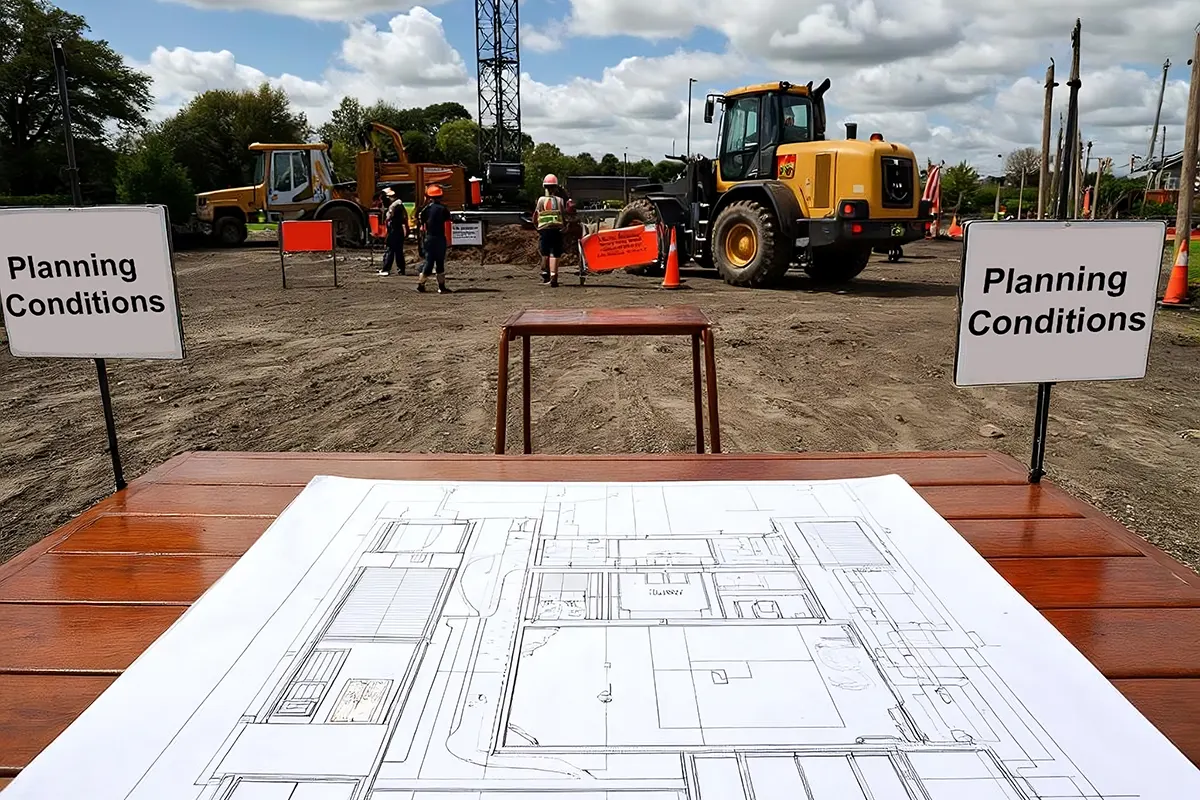
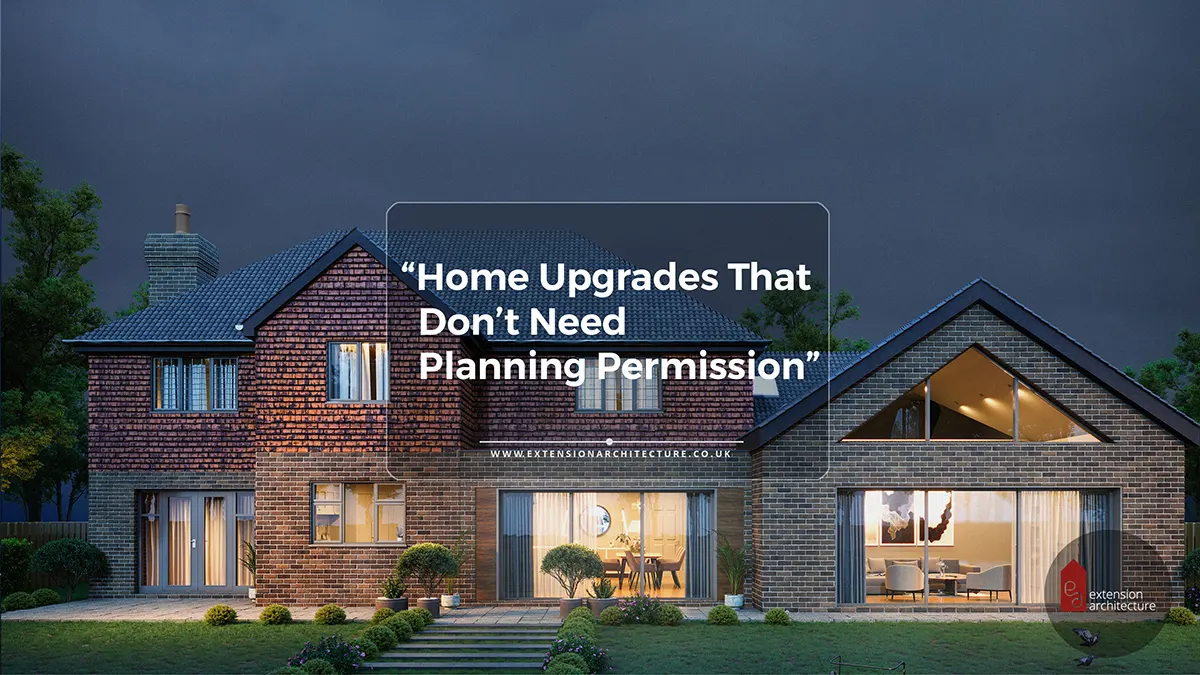
It goes without saying that projects that necessitate planning permission approvals take a longer time as compared to projects that meet permitted development rights. Planning permission usually requires 6-10 weeks for approval until which construction cannot begin.
4. Party Wall Act (Depends)
This usually depends on the type of extension. If the extension is built near a shared wall or a boundary, then you may have to serve a formal notice to your neighbours. Any arising disputes will take 2-6 weeks for resolution.
5. Weather Conditions
As discussed earlier, weather conditions play a crucial role in the proceedings. Bad or damp weather conditions will delay the project as ground works and foundation work demand a conducive weather to start. Rain, snow, and foggy conditions too can halt or delay the project.
6. Availability of Resources and Labour
It is natural that labour and resource availability will affect the timeline of the project. This may happen due to various factors, including labour shortage, unavailability of skilled labour, and various other factors. Delay in material procurement and sourcing will also factor and add up to project delays.
7. Onsite Issues
Hidden issues like poor soil, drainage problems can cause major delays once work begins. Changes in design during the build also extend timelines.
Typical Timelines for Different Types of Extensions
| Type of Extension | Timeline | Key Considerations |
|---|---|---|
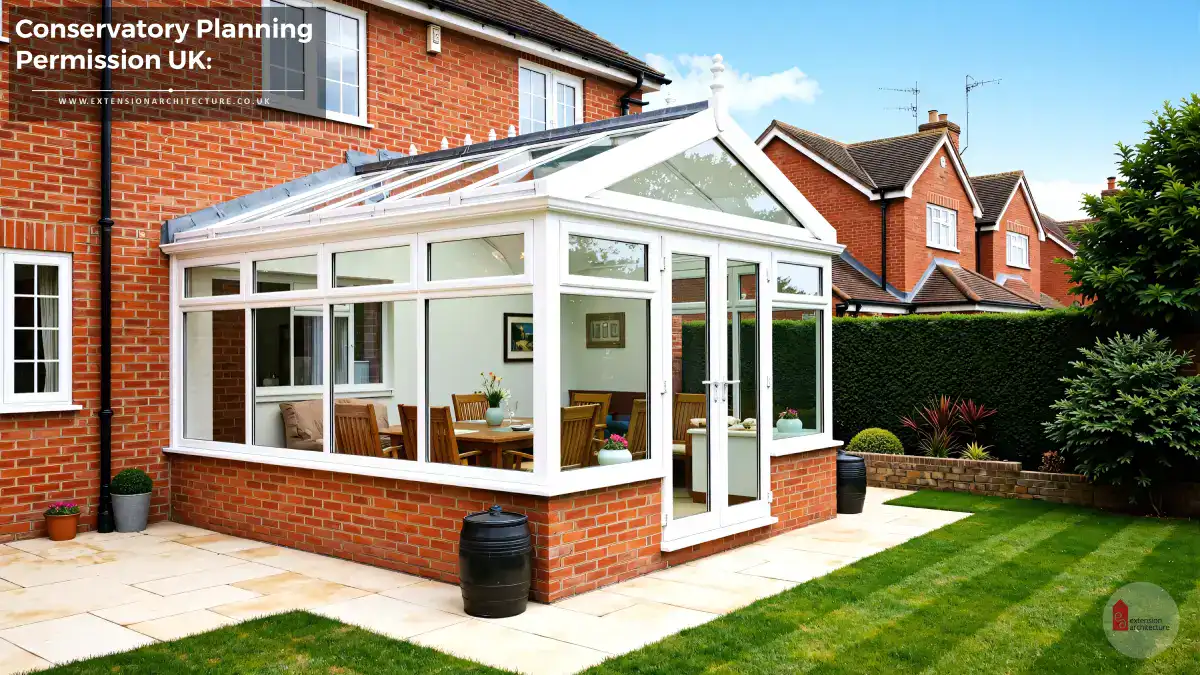
| Single storey rear | 3-6 Months | Mostly are Permitted Development |
| Single storey side return | 3-6 Months | Mostly are Permitted Development, can be creative in design, yet compact at the same time |
| Wraparound Extension | 5-9 Months | More complex when compared to single storey extensions, and may often require planning permission |
| Double storey Extension | 6-10 Months | Design and build can be complex, and often require planning permission |
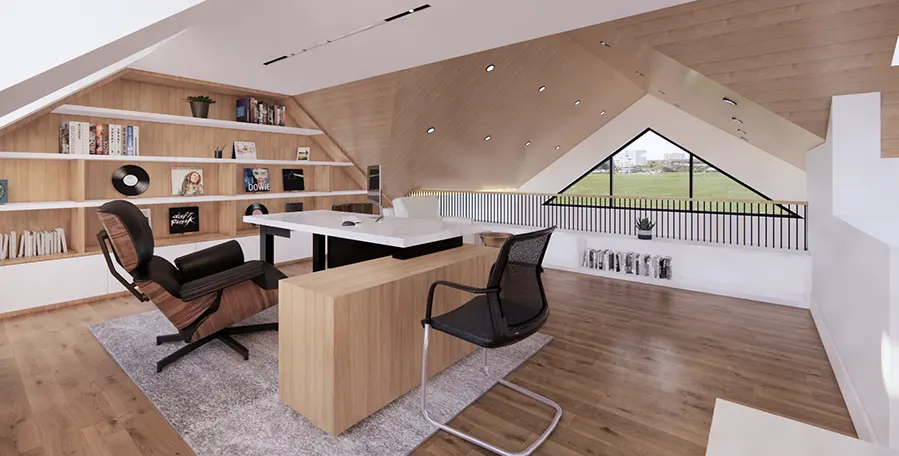
| Loft Conversion | 4-8 Months | Varies from simple to complex conversions. Some loft conversions, like a dormer or a Velux conversion, may not require planning permission, while others do |
| Basement Extensions | 9-12 Months | Complex excavations, waterproofing, and structural works, which will often require planning permission |
| Garage Conversion | 2-4 Months | Internal works can be quick and may not require planning permission |
The above table indicates typical timelines required for different types of extensions and conversions, ranging from small, permitted development builds to large multi-storey builds and complex basement extensions.
Conclusion
The reason we at Extension Architecture can establish the above with ease is due to our approach and methodology. Because we adopt a design and build approach, we deploy a designated project management team to work on any extension project. Along with this, we involve our structural engineers & architects and connect them to all the other professionals who are involved in the project, such that every specialist is aware of the status and deliverables.
With this, we ensure the project is on track and is delivered to the nearest timeline, if not the exact one, and ensure our clients spend within their planned budget and do not exceed it.
If you are planning an extension in the near future, you can call us or visit us at our London office and avail a free quote for your extension project.