The UK Affordable Housing Plan: Building Homes for a Better Future
The UK’s affordable housing plan signals a major shift in how homes are built and delivered. This blog breaks down the strategy, its impact on communities, and what it means for residents and developers moving forward.

In Brief
- The Affordable Housing plan is an attempt to reshape how communities thrive around a sustainable urban landscape.
- From a technology perspective, the plan encourages more modular and off-site building construction methods.
- Affordable housing turns urban units into economic hubs, empowering the lower economic strata to grow and thrive.
- Government schemes like the First Homes Scheme, LISA, and Shared Ownership are turning believers into buyers.
The UK Affordable Housing Plan arrives at a moment when many households are feeling intense strain due to rising rents and scarcity of land availability, hindering home ownership. For young families and those on modest incomes, finding a stable and affordable place to live has become an increasing challenge. The plan seeks to bring meaningful change by expanding the supply of high-quality homes and ensuring that affordability is not treated as an afterthought. It rather states that it’s built as a central design principle.
One of the most striking aspects of the affordable plan is its aim to create communities that are sustainable and inclusive. To execute the same, the strategy is to streamline planning, invest in social housing, while embracing modern construction technologies. It encourages developments where affordability is paired with good design, energy efficiency, and well-connected neighbourhoods, fostering places where people can thrive.
How the UK Affordable Housing Plan Is Shaping Communities and Development
The UK Affordable Housing Plan is more than a policy response to a long-standing housing shortage. It is an attempt to reshape how communities thrive. As the need for housing continues to intensify across the country, the plan introduces measures aimed not only at increasing the supply of affordable homes but also at rethinking the relationship between building infrastructure and realizing a community on the whole.
One of the most significant shifts is the emphasis on integrated and sustainable neighbourhoods. Instead of isolated pockets of affordable units, the plan encourages mixed-tenure developments where a social housing circle is being developed that is affordable. This approach helps in the creation of socially cohesive communities that ensure essential workers, young families, and lower-income residents can live closer to economic centres. This leads to reduced commuting pressures and strengthens local economies, contributing to the overall aim and vision.
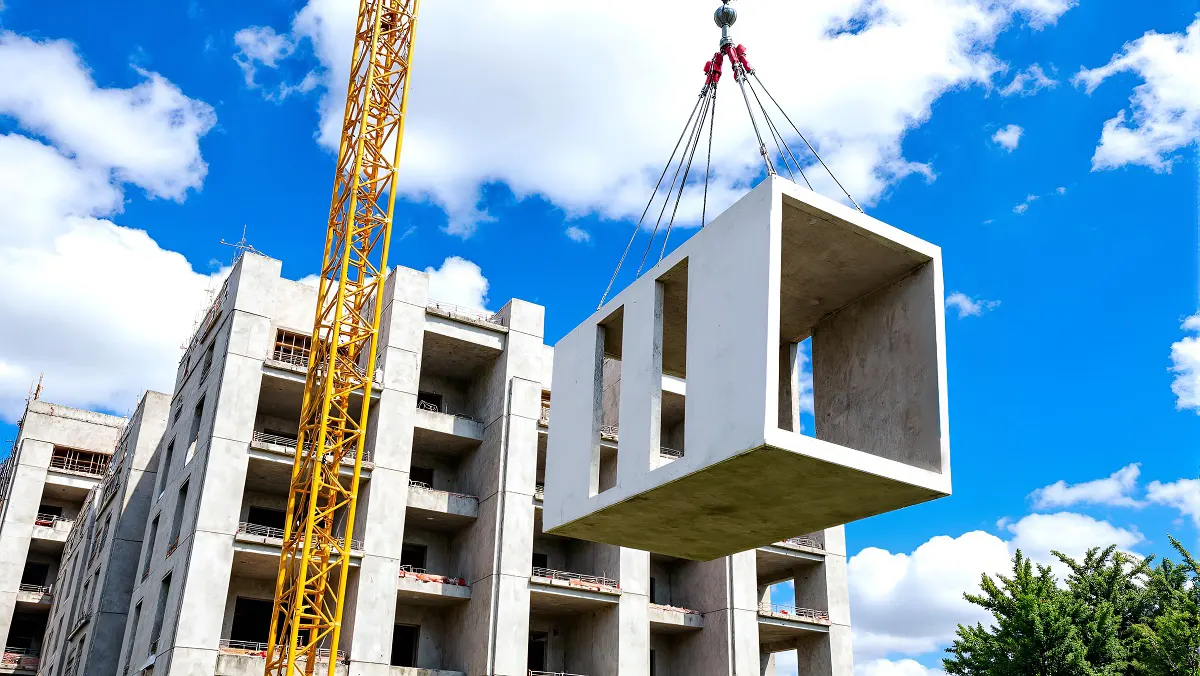
The plan also signals a push toward modern construction methods such as modular and off-site building. These innovations reduce construction time while improving quality and lowering long-term maintenance costs, which is essential for keeping homes both affordable and resilient. Combined with updated planning frameworks and streamlined approvals, the plan thereby aims to accelerate delivery without compromising design standards.
Crucially, the initiative ties housing growth to broader infrastructure needs. Investments in schools, transport links, healthcare provision, and green spaces ensure that developments are not just housing clusters but well-rounded communities. Energy efficiency and sustainability also play a central role, with new homes expected to meet higher environmental standards, reducing living costs and supporting the UK’s net-zero ambitions.
Why Affordable Housing is Essential for Urban Growth
Cities depend on diverse workforces to operate smoothly. Teachers, healthcare professionals, retail staff, drivers, and public service workers all contribute to the daily rhythm of urban life. When housing becomes unaffordable near employment centres, commute times increase, transport networks become strained, and employers struggle to attract and retain talent.
Affordable housing sits at the heart of sustainable urban growth, shaping not only where people live but how cities function and evolve at the same time. As populations rise, urban centres gradually turn into economic hubs, supporting social equity whilst promoting urban stability and sustainability. Businesses start to attract and retain workers, contributing to reduced homelessness and cost of living, creating more inclusive, balanced communities, enabling a wider range of the working class to live and work in a settlement.
Moreover, mixed-income neighbourhoods create stronger, healthier communities. They reduce segregation, promote social interaction, and foster safer, more vibrant environments. Affordable housing also supports local businesses. Residents will usually spend locally, stimulating economic activity and enabling smaller enterprises to flourish and thrive.
From a planning perspective, integrating affordable housing into urban development helps cities expand more intelligently. It encourages investment in infrastructure, green spaces, public transport, and community services, ensuring that growth is equitable and future-ready.
Government Schemes Supporting Affordable Homeownership
To tackle rising housing pressures and open pathways to homeownership, the UK government has introduced several initiatives designed to make buying a home more achievable for first-time buyers and lower-income households. These schemes aim to reduce upfront costs, broaden mortgage accessibility, and support people in stepping onto the property ladder without the financial strain traditionally associated with homeownership.
One of the most impactful programmes is Shared Ownership, which allows buyers to purchase a share of a property, typically between 10% and 75%, and pay subsidised rent on the remaining portion. This model lowers the initial deposit and mortgage requirements, making homeownership attainable even with modest savings. Over time, homeowners can increase their share through “staircasing,” gradually moving toward full ownership.
Another key initiative is the First Homes Scheme, offering newly built homes at a significant discount, usually between 30% and 50% off market value, exclusively for first-time buyers and key workers. This ensures that local residents and essential workers can continue living in their communities despite rising housing costs.
Additionally, Mortgage Guarantee Schemes help lenders offer 95% mortgages, reducing the barrier of substantial deposits and encouraging broader mortgage availability.
The Lifetime ISA (LISA) is a government initiative where the government adds a 25% bonus to your contributions, up to a maximum of £1,000 a year for a first home. This is for those between the age group of 18 and 39.
While the Help to Buy equity loan scheme is now officially withdrawn in England and Scotland, it is however still available in Wales, until September 2026. The condition being, properties must be from a scheme-registered builder, and should be valued at less than £300,000.
Challenges Developers Face in Meeting Housing Targets
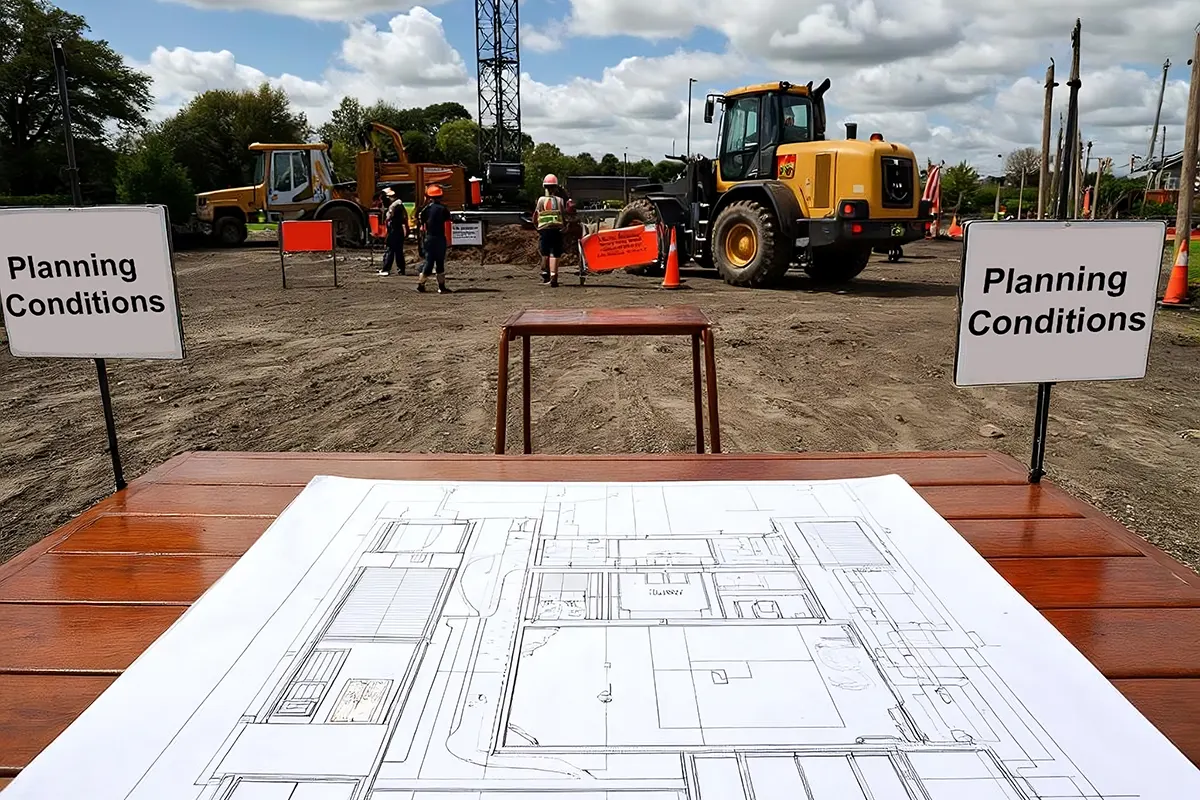
Meeting the UK’s ambitious housing targets is as tedious and challenging as they come. Developers are often tasked with navigating a complex landscape muddled with financial, regulatory, and logistical barriers. One of the biggest challenges is the planning system, which can be slow, unpredictable, and burdened with lengthy approval processes. Delays in securing planning permission push timelines back and inflate project costs, making it difficult to deliver homes at the pace the government targets demand.
Land availability and affordability pose another significant hurdle. Suitable plots, especially in high-demand urban areas, are scarce and often priced at a premium. This reduces the feasibility of large-scale developments and puts pressure on developers to balance profitability with affordability requirements. Rising construction costs also add strain. Material prices, labour shortages, and supply chain disruptions have made budgeting far more volatile. These fluctuations force developers to constantly adjust plans, often leading to scaled-back projects or delays.
Meeting sustainability and environmental standards is, though essential, it introduces additional complexity. Developers must integrate energy-efficient designs, low-carbon materials, and upgraded insulation systems, all of which can increase upfront costs and require specialist expertise. Finally, developers face community opposition in some regions, with concerns over overcrowding, infrastructure pressure, and environmental impact slowing or stopping new projects.
Conclusion
While, the challenges create a tough environment, hindering the consistent, high-volume delivery of homes needed to meet national housing goals, the schemes, on the other hand, play a crucial role in making homeownership more inclusive. With this, individuals and families are ensured of a realistic and supported route into stable, long-term housing.
Ultimately, affordable housing is not a social benefit alone. It is an economic necessity. Cities that prioritise accessible, well-designed homes create the foundations for stability and sustainable growth for generations to come.