House Survey Costs Explained: Level 2, Structural & Full Survey Prices
In the UK, a house survey can identify any structural problems, defects, or hidden issues and thereby helps homebuyers to make an informed decision. In this article, get to know all the details about a house survey, its cost, and why you need one.

In Brief
- The cost of a house survey varies based on factors such as property type, property value, location, property size, etc.
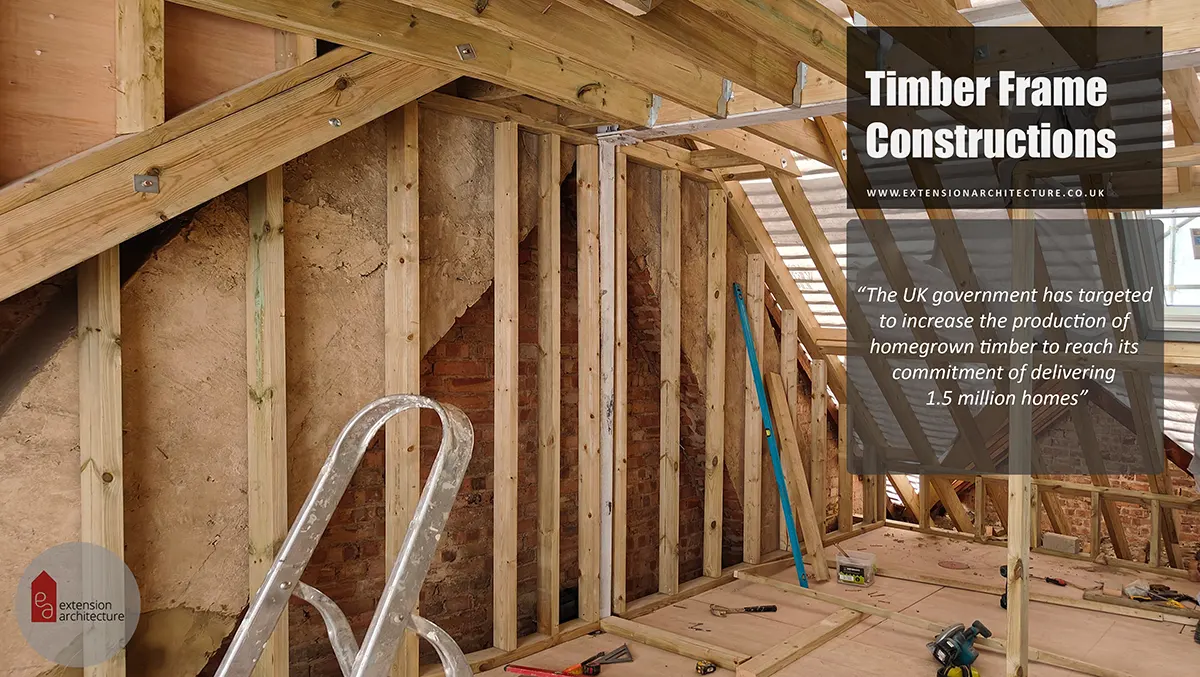
- Surveying older or non-standard properties, such as listed buildings, timber constructions, requires more time and can cost more.
- Surveys also offer the opportunity to evaluate the property and can provide estimates on rebuild costs.
- The total cost range for a property survey in the UK varies from £300 to £1,500.
- Hiring a professional surveyor is key to avoid misses and undetected issues.
At Extension Architecture, homebuyers can make use of our experts to understand everything about the property; from basic checks to in-depth assessments, we can do it for you.
Buying a house is a big investment, and before you buy, you have to make sure it is worth every ounce of it. Thankfully, there are ways to find out whether the house you are going to buy is in good health or not. House surveys are your saving grace.
Performed by a surveyor through an inspection, house surveys offer a precise and up-to-date detailing and information through a report that clearly defines the actual present condition of the house.
How Much Does a House Survey Cost in the UK?
House survey costs in the UK can differ significantly based on the survey type, the property’s age, size, and location, as well as the depth of inspection required.
You can expect the costs to vary from £300 to £1,500, and this varies for modern homes, traditional homes, to far older/larger properties.
What Is a House Survey and Why Do You Need One?
A house survey in the UK is a detailed inspection of a property’s physical condition, usually conducted before purchase. It helps identify any structural defects or potential issues, allowing buyers to make informed decisions, renegotiate the price, or prepare for necessary repairs. A house survey is typically performed by a qualified surveyor and helps potential buyers from unexpected costs, risky investments, and any hidden issues, all before committing on buying a property.
Here’s why it’s so important:
1. Uncovers Hidden Issues
A house may look fine on the outset, but may have serious underlying problems like dampness, subsidence, roof damage, or outdated electrical or plumbing. A survey can spot these before they become your financial burden.
2. Helps You Negotiate the Price
Upon the survey, if defects are found, the buyer may be able to ask the seller to fix them before completion, negotiate a lower purchase price, or else just walk away if the risks are too high and largely expensive to manage and move in.
3. Avoids Unexpected Repair Costs
If you are a potential buyer, a survey can help you save on a huge investment by revealing work that needs repairs or refurbishments before you move in. This is especially useful for older or listed buildings.
4. Supports Mortgage and Insurance Needs
Some lenders and insurers may require a survey, particularly for non-standard properties. For example, issues like roof damage, poor drainage, faulty wiring, or damp could increase insurance costs or lead to exclusions if not declared.
A house survey gives you (and your lender or insurer) a realistic picture of the property’s condition, by ensuring the mortgage loan is appropriate, providing the right level of insurance, and protecting you from uninsurable risks or future financial strain. It may, on course, help you determine accurate rebuild costs for insurance purposes.
5. Gives You a Clear Picture for Renovation or Maintenance
If you’re planning to renovate, a survey highlights what’s safe to change and what might need immediate attention. A survey can identify any underlying structural and safety issues, such as cracked walls or foundations, roof damage, while also revealing areas that require urgent repairs, such as damp, decay in materials, a failed render, etc.
A detailed survey can also show you the age and condition of key components such as roofing, plumbing & electrical systems, windows & insulation, etc.
A house survey doesn’t just highlight what’s wrong, it helps you make strategic renovation decisions, avoid unnecessary costs, and plan responsibly, and ensure you are careful and wise with your investment.
House Survey Cost Breakdown by Type
1. RICS Level 1: Condition Report
Best for: New builds or modern homes in good condition
Covers:
- Basic overview of the property’s condition
- Highlights urgent defects
- Does not include repair advice or valuation
Best for: Standard properties (built after 1930) in reasonable condition
Covers:
- Structural issues (e.g. damp, roof damage, subsidence)
- Defects that could affect value
- Repair advice and maintenance tips
- Optional valuation and insurance rebuild cost
- Older homes
- Period properties
- Renovation projects
- Unusual or non-standard construction
- In-depth inspection of structure, walls, roof, floors, windows, damp, timber, and more.
- Detailed advice on repairs, estimated costs, and future maintenance.
- No valuation included unless requested separately.
- Identifies cosmetic and minor construction issues (“snags”)
- Helps you get faults fixed by the developer before move-in
A Level 2 Survey, also known as the RICS HomeBuyer Report, is the most commonly chosen house survey in the UK. It offers a mid-level inspection suitable for most standard properties in reasonable condition and provides a good balance between detail, cost, and peace of mind.
What Is a Level 2 Survey?
A Level 2 (HomeBuyer) Survey is conducted by a RICS-qualified surveyor and is ideal for homes that:
- Are built after 1930s
- Have used conventional materials such as brick, tile, slate, etc.
- Appear to be in generally good condition
- Haven’t been significantly altered or extended
- Roof (externally and from the loft if accessible)
- Walls, ceilings, floors, doors, and windows
- Chimneys and gutters
- Cellars and garages (if part of the property)
- Built-in fittings (e.g. kitchen units)
- External structures and grounds (e.g. boundary walls)
- Damp or mould
- Rot or timber decay
- Cracks or signs of subsidence
- Roof damage or wear
- Condition of visible plumbing and drainage
- Basic checks on heating systems (but not testing).
Guidance and directions on the following –
- Repairs or replacements needed
- Maintenance tips
- Areas needing further investigation
As stated above, a house survey involves a complete assessment of the property a homebuyer is interested in; it may not include invasive methods and certain planning-related issues. Below is a list of what a house survey may not include –
- Invasive checks such as pulling up floors or drilling into walls, or any invasive means of assessment.
- The survey will also not include testing of household utilities like boiler pressure, electrics, gas systems, etc.
- As planning permission history or legal issues are matters handled by experts such as solicitors, a house survey will not involve in such affairs.
The cost of a property survey in the UK can vary widely depending on several key factors. Understanding these will help you budget appropriately and choose the right survey and the surveyor for your needs.
1. Type of Survey
Level 1 (Condition Report) – Basic overview of the property’s condition that includes identification of defects that require immediate addressing. This happens at a very low cost.
Level 2 (HomeBuyer Report) – Mid-range cost with more detail that includes repair advice and tips for maintenance.
Level 3 (Building Survey) – Most comprehensive and expensive. This involves an in-depth inspection and detailed advice, including cost estimation.
2. Size of the Property
- Larger homes take longer to inspect and report on, which increases surveyor time and fees.
- A 4/5-bedroom house will cost more to survey than a 1-bedroom flat.
- Older or poorly maintained homes usually require a Level 3 survey, which is more detailed and expensive.
- Newer homes in good condition may only need a Level 1 or Level 2.
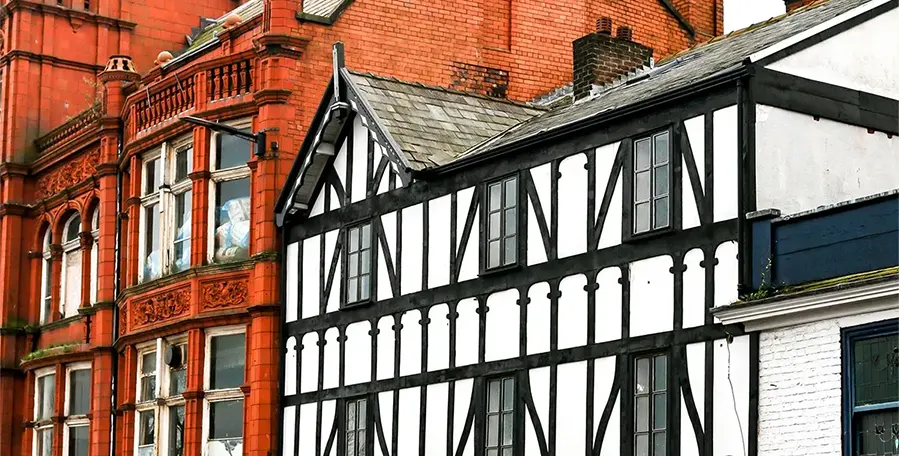
A typical or non-standard builds, such as timber-framed constructions, thatched roofs, or listed buildings, often need more detailed inspection and expertise. Such surveys often warrant a Level 3 inspection, which costs more.
5. Location
- Survey prices are generally higher in London and the Southeast due to demand and local cost of living.
- Rural properties may also cost more if travel is required.
If the value of the to-be surveyed property is more, then the survey costs too will proportionately increase. This usually leads to a Level 2 survey.
Typical Cost Range for a House Survey (2025)
| Category | Estimated Cost |
|---|---|
| Level 1 | £300 to £500 |
| Level 2 | £400 to £800 |
| Level 3 | £650 to £1,500+ |
Conclusion
While house survey costs in the UK can vary based on factors like survey type, property size, age, and location, they are a worthwhile investment for any homebuyer. A survey not only helps uncover hidden issues and prevent unexpected repair costs but also gives you the confidence to make informed decisions.
Whether you’re buying a modern flat or a period home, choosing the right survey at the right price ensures peace of mind and could save you thousands in the long run.