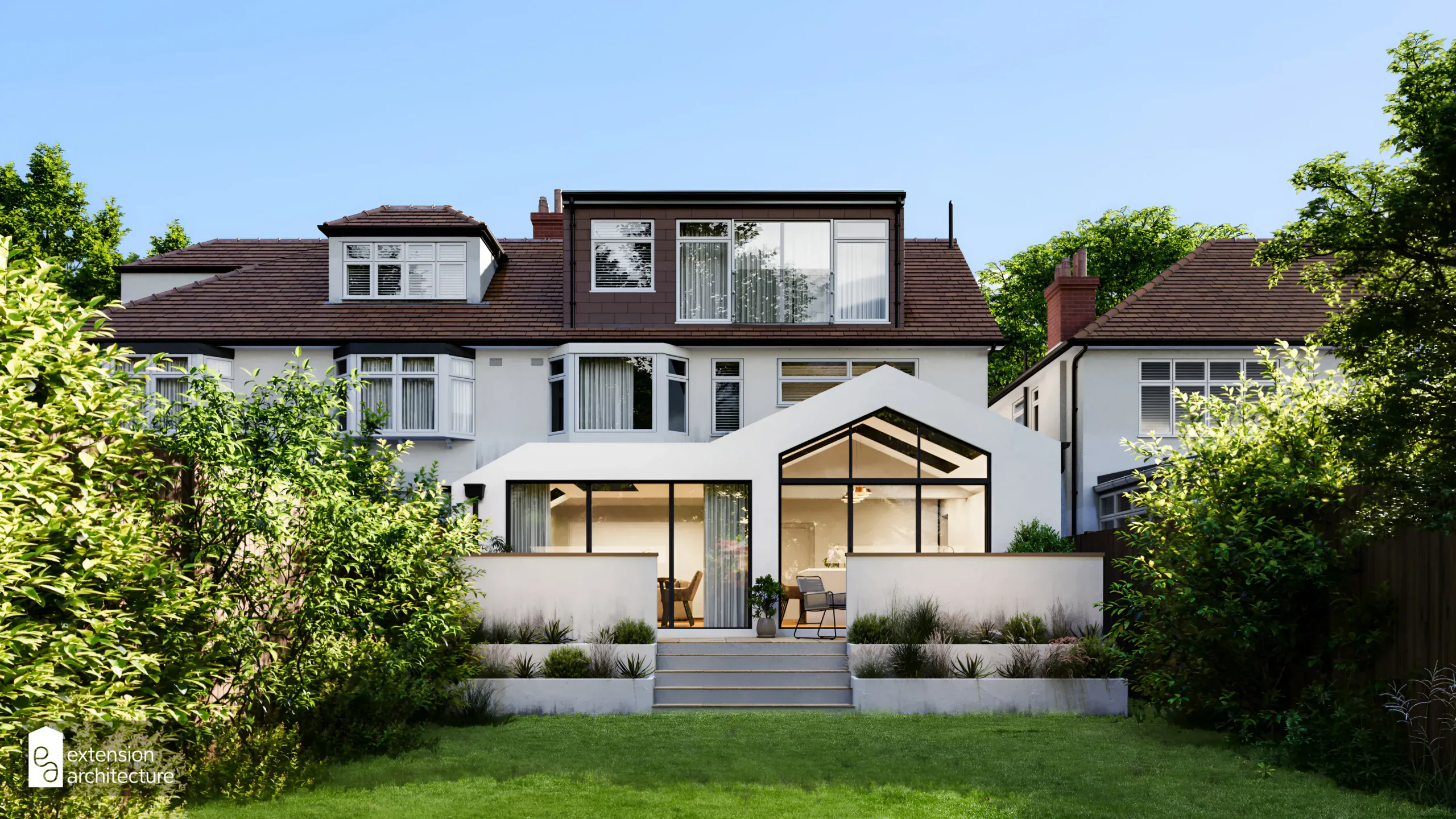
Is My House Listed? How to Check Listed Building Status in the UK

Wondering whether your home is a listed building? Many UK homeowners are surprised to discover their property has protected status, which can affect from renovation plans, insurance, to even property value. Checking your house’s listed status is simple once you know where to look, and doing so can save you costly mistakes.
In Brief
- A listed building is one protected for its historical or architectural importance, meaning alterations require special permission.
- Listing grades (I, II*, II) indicate the level of significance, with Grade II being the most common for residential homes.
- Checking if your home is listed is easy using national heritage databases, local council records, or by contacting a conservation officer.
- Listed status affects renovations, so homeowners must secure Listed Building Consent before making any changes inside or outside the property.
- Extension Architecture can help, offering expert design, documentation, and planning support to streamline listed building applications.
For the unversed, the initial push to make buildings listed originated because of the efforts to assess and salvage them after the exploits of the WW2. Then onwards, the Town and Country Planning took on the reigns to create a national list of buildings deeming them as of special interest. This was done in the year 1944 as part of the Town and Country Planning Act which became more like an empowerment than a rescued act.
While early efforts focused on medieval churches, country houses, and buildings that were built prior to the 1750’s, the process then evolved to include private and public buildings as part of the Town and Country Planning Act of 1947.
If a building is listed, it means that it is entitled to a legal protection under the scrutiny of the government. Meaning, homeowners must get special permission if there to make any alterations or changes (external and internal) to the building that would affect its character.
How to Find Out If Your Property Is a Listed Building
If you’re wondering whether your property is also one of those places, it’s not only a good question, but an important one too. This is because listed status can affect everything from the colour you paint your front door to your plans of knocking down an old outbuilding. The good news is, finding out is actually pretty simple.
Your first stop should be the official databases. In England, head to Historic England’s National Heritage List. If you type in your postcode or property name, it’ll tell you instantly whether your home is listed and what grade it falls under. Scotland, Wales and Northern Ireland each have their own online lists too. So, no matter where you live, the answers are just a quick search away. If nothing shows up, it doesn’t mean it’s over, older areas can be tricky. Sometimes whole streets or neighbourhoods fall under conservation areas, which aren’t the same as being listed but still come with rules. Your local council’s planning department can confirm this.
It’s also worth checking old property documents if you have them. Estate agents, survey reports or previous planning applications may mention listed status. And if you’re still unsure, you can always ring your local conservation officer, they deal with this stuff every day and can usually give you a clear answer.
In the end, a quick search could save you a major headache. Before you change windows, paint walls or start dreaming up extensions, take a few minutes to check.
What Does It Mean If a House Is Listed?
When a house is termed as “listed”, it means it’s on the list of statutory list of buildings that are considered to be of special architectural or historic pedigree. This special recognition protects the building from any demolition and prevents any significant alterations to it.
This applies even to things you might think are minor, like replacing windows, removing an internal wall or changing roofing materials. The goal isn’t to stop you from improving your home, but to ensure any work respects the building’s character.
There are three listing grades:
- Grade I – Buildings of exceptional national importance (very rare).
- Grade II* – Particularly important buildings of more than special interest.
- Grade II – The most common category, covering buildings of special interest.
Being listed doesn’t mean you can’t do anything to your house, you absolutely can. It just means you need to follow the proper process and get the right permissions to do it.
How to Check If Your Home is Listed in the UK
To check whether your home is a listed building might sound complicated, but it’s actually very straightforward once you know where to look. The UK has official online databases that make the process quick and free.
- Use the national heritage lists
Each part of the UK has its own register of listed buildings. You can simply visit the relevant website, type in your postcode or property name, and browse the results.
- England: National Heritage List for England (Historic England)
- Scotland: Historic Environment Scotland
- Wales: Cadw Listed Building Search
- Northern Ireland: Department for Communities Historic Environment Record
Your search will tell you whether the property is listed and what grade it falls under.
- Check local authority records
Even if your home isn’t individually listed, it may still fall within a conservation area, which has its own rules. Your local council’s planning department will have maps and property information that confirm this. - Look at past documents
Old survey reports, estate agent listings, and previous planning applications often mention listed status. If previous owners have worked on the house to alter it, the paperwork may include details about consent. - Contact your local conservation officer
If you’re stuck or your home doesn’t appear in the online search but seems old or unusual, your council’s conservation officer can help. They often know the history and status of buildings in their area.
In just a few minutes, you can get a clear answer and avoid any unwanted surprises before planning renovation work.
Understanding the Different Grades of Listing
Not all listed buildings are protected in the same way. In the UK, listing grades help indicate how important a building is and how strictly it’s protected. Think of them as categories that highlight a property’s historical or architectural value.
Grade I – Exceptional Importance
This is the top tier and are national treasures. Only about 2–3% of listed buildings reach Grade I status. Cathedrals, castles, grand estates, and buildings with extraordinary historical significance fall under this category. Owning one is rare, and any changes require very careful handling.
Grade II* – More Than Special Interest
Around 5–6% of listed buildings fall into this category. They’re still highly significant, often featuring rare architectural details or important historical associations. While not as rare as Grade I, they are still heavily protected, and alterations usually demand strict oversight.
Grade II – Special Interest (Most Common)
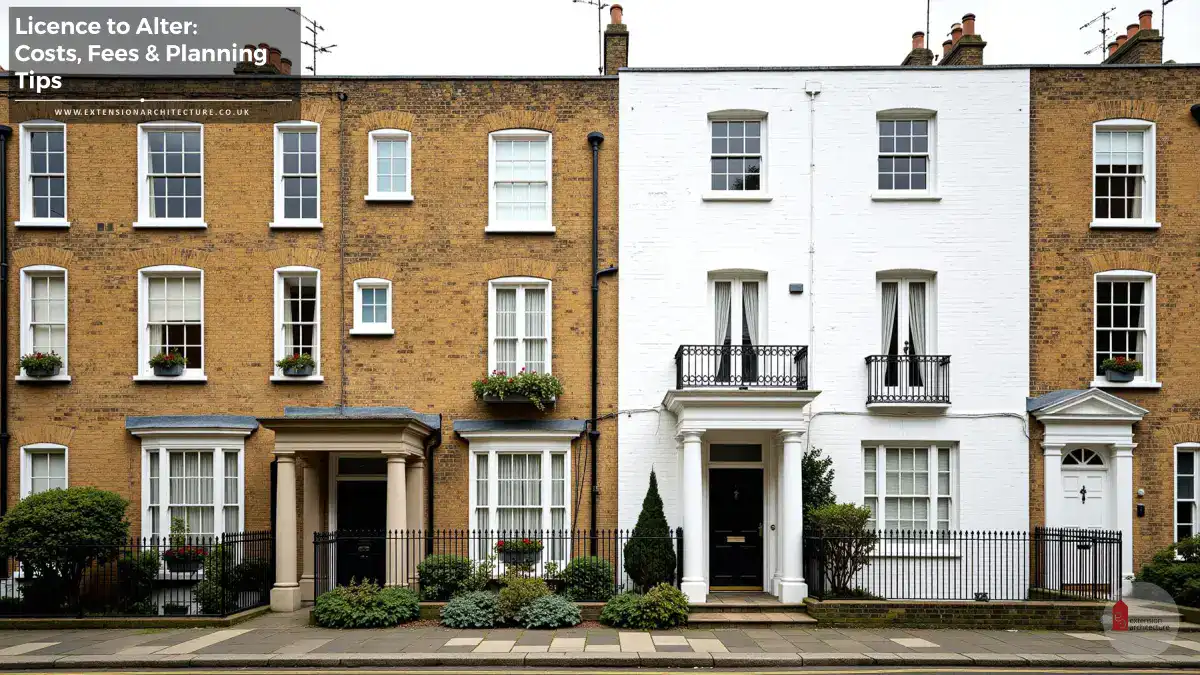
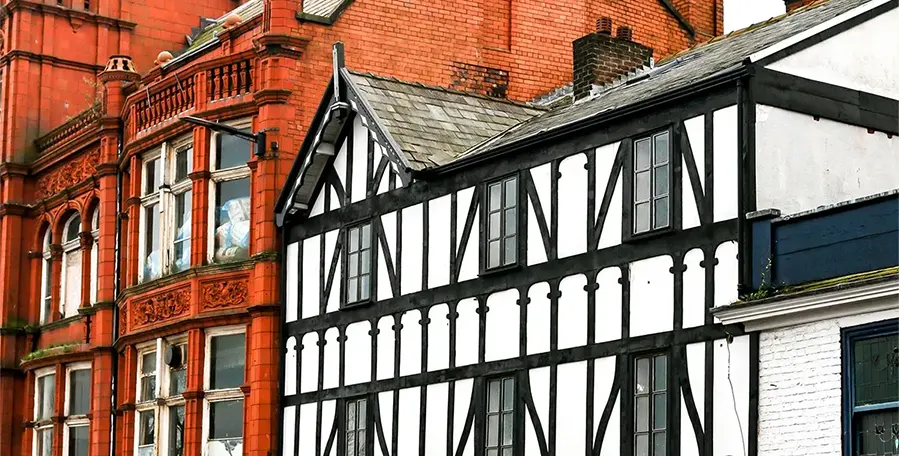
Roughly 90% of all listed buildings are Grade II. These include historic homes, old cottages, terraces, and buildings that contribute to the character of an area. Although this is the most common grade, it still carries legal protection. You’ll need Listed Building Consent for changes that affect the building’s character, inside or out.
All listed grades come with responsibilities, but they don’t stop you from making improvements. Instead, they ensure that any work preserves the building’s history and charm. Understanding your property’s grade helps you know what to expect, and how to plan your renovations the right way.
How Extension Architecture Can Help with Listed Building Applications
Dealing with a listed building application can feel overwhelming. While, one has to endure a lot of strict rules and detailed paperwork, the crux is that every council may have its own way of doing things. That’s where Extension Architecture can make a huge difference. Instead of a disparate approach that involves decoding technical jargons or dealing with guess works on what the conservation officer wants, we leverage our planning expertise to guide you from start to finish.
We start with helping you understand exactly what parts of your building are protected and what changes are likely to be approved. By doing this, we save you immense time & money, and a lot of anxious moments. Listed buildings often have hidden constraints, and knowing these upfront helps shape realistic, council-friendly designs.
We then prepare all the drawings, heritage statements, and supporting documents required for Listed Building Consent. These are imperative to an extent without which councils won’t even consider your application. Our architects know how to present proposals in a way that respects the building’s history while still achieving your goals.
Being seasoned experts, we also liaise directly with your local planning and conservation teams regardless of the scale and design of the project, to make sure your applications gets over the line. Whether you’re planning an extension, internal alterations, or sensitive restoration work, our planning experts understand both the creative and regulatory side speeds things up and reduce much stress.
Conclusion
Knowing whether your home is a listed building is more than just a box-ticking exercise. It’s the key to understanding what you can change, and what permissions you’ll need along the way. With the UK’s online heritage registers and local council resources, checking your property’s status is no more a challenging task.
If you do discover your home is listed, don’t panic. With the right guidance, you can still improve or restore your property while respecting its unique history.
If you’re planning alterations or need help navigating Listed Building Consent, Extension Architecture can guide you through the entire process. Get in touch today.