Can My Neighbour Object to My Permitted Development Rights?
This easily is one of the most important and pertinent questions, especially when you have neighbours at immediate proximity to your property. In this article, Extension Architecture explores some reasons why a neighbour may have a say in your extension or renovation plans.

Imagine a situation where you meet the architect and have talked through your ideas for an extension only to be objected by your neighbour at the last moment! It indeed can be frustrating as you may have to go through multiple appeals and legal bindings.
Let alone a project of a degree of an extension, there are situations where a small excavation work you take up within your property limits may find issues with your neighbours. So, what is the way to have a non-antagonistic execution? Let’s find out!
Will a Neighbour’s Objection Block My Planning Application?
This is a common misconception. The answer is No! Your Neighbour’s objection will not immediately block your planning application as it will go through the consent of a planning officer. Regardless of the objection, a planning officer is the sole authority for evaluating planning applications which he does based on certain factors.
The planning officer first determines the degree of the impact that has led to the neighbour’s objection by closely examining the reasons. He will then assess the proposed objection taking into account the acting local policies and the set guidelines.
Does this also Involve a Planning Committee?
Yes, but it differs from case to case. Supposing there are multiple objections involving 1 or more neighbours for the same proposal, then a planning committee might come into the picture. Having said that, the committee formed is to ensure a democratic process and that no objections are turned a blind eye and are actually considered seriously. However, the committee still may follow the suggestions and abide by the authority of the planning officer.
Extension Architecture has deduced some of the most common reasons for your neighbours’ potential objection to your construction endeavours.
Can My Neighbour Object to a Lawful Development Certificate?
Though technically your neighbour can object to a Lawful Development Certificate, it will be taken up as a matter of grave concern only if there is a discrepancy within the ambit of the permitted development. The final say on this will be in the hands of the planning officer or the local authority to deem the project as lawful or not.
The Reasons Why a Neighbour Might Object to My Permitted Development Right?
-
Disruptive Construction Works
A neighbour can sue you for any damages caused by your project, especially if the construction results in physical damage to their property. This may include negative impact on their property’s structural integrity, cracks in the foundation of their property, or any other physical damage. A neighbour may also file an objection pre-emptively if they find that your project might disrupt or cause potential damage to their property. -
Freehold of your Property
If you didn’t know, a neighbour can also own a freehold of your property. Supposing you are not the owner of the land and your neighbour is the legal owner, they may impose restrictions on your property usage and its construction. They may go to the extent of evaluating your property for value and the degree of extension you are undertaking. In some cases you may have to end up paying a certain sum or share a percentage of the profit too with your freeholder/legal owner. -
Loss of Natural Light
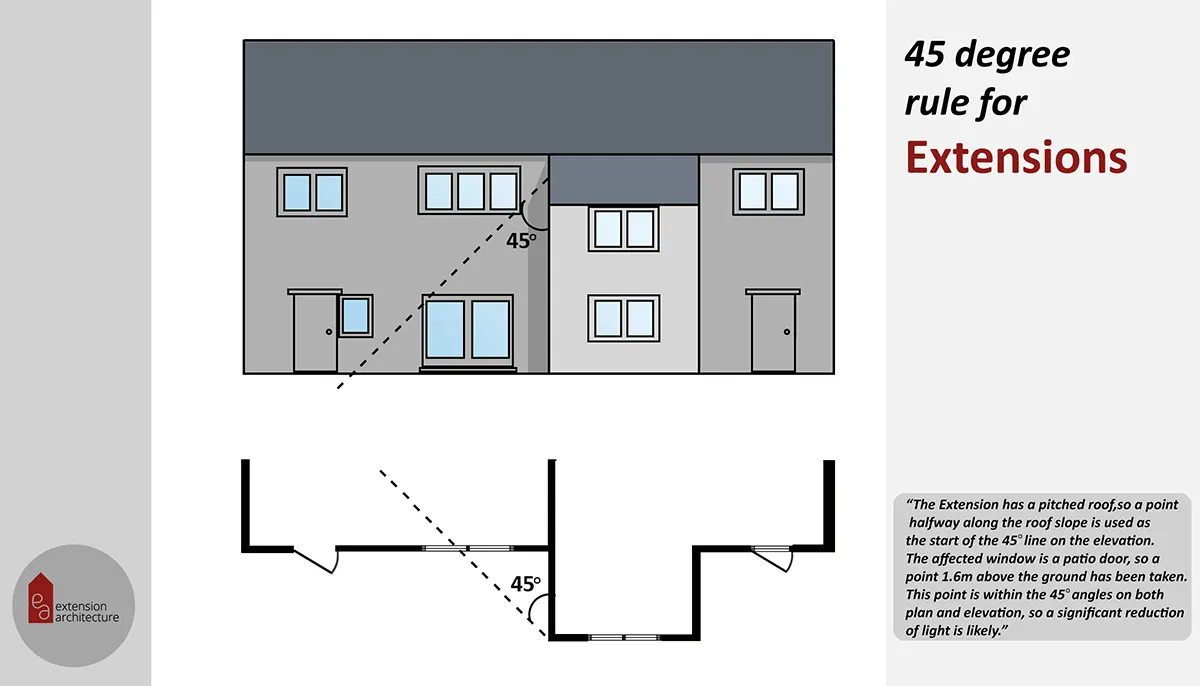
Under the homeowner’s “right to light”, this can be a civic objection where the construction of your property may lead to loss of natural light to their living space. In such a case, though planning permission may be granted, your neighbour still stands a strong chance “right to light” is a civic matter. The planning authority conducts daylight assessments upon which if the objection is genuine may have to be resolved by means of compensation. -
Privacy Issues
In general, your neighbour cannot object to permitted development solely for privacy concerns. This is because permitted development allows permission for certain building constructions without the need for planning permission. However, if the construction results in significant obstruction that impacts their privacy; for example, a large window of your house directly gazing at their property the neighbour then may raise concerns. -
Environmental Factors
In cases even where your construction may not cause physical damage to their property, your neighbour may still object based on the grounds of environmental issues. This may include, dust, debris coming from your project site that may harm your neighbour’s quality of life. Too much noise may also be considered as an impediment that can be considered an unreasonable nuisance and disturbance and become a point of objection for your neighbour.
Matters such as limited accessibility and design issues though raised, are not considered serious matters and may not stand any weight with the planning committee.
The Party Wall Agreement
With the party wall agreement, you need to first determine whether the Party Wall Act 1996 applies to your project based on the following –
- Your property is built against and facing the boundary of their property
- Your extension is within 3 metres of your neighbour’s property or their external wall
- Your construction involves a steel beam that penetrates beyond the wall dividing your property and your neighbour’s property
The above are served as notices and the you will have to respond within 14 days upon receiving the notice. Failing to respond within the stipulated time will entail appointing a surveyor to further ready a party wall award.
Consult and Communicate with your Neighbour
To avoid disputes and incur penalties, it is always best to communicate with your neighbour about your project at an early stage. The best thing to do is to take due notice of their concerns and clear them with your structural engineer or the planning officer.
Conclusion:
To conclude, a neighbour cannot restrict you from taking up your construction project or block your planning application. However, they can cause a delay in the process of obtaining one and push to extents that may involve legal concerns.
At Extension Architecture, we carry vast experience in handling planning application issues for all domestic & residential projects. Our structural engineers are experts in liaising with planning authorities and are highly skilled in understanding the degree of planning permission your project requires.
If you are looking for a consultation regarding any objections or matters of planning, feel free to reach out to our experts.
How Will My Neighbour Object During the Planning Process?