Designing a Home Office That Balances Comfort and Focus
Tired of working from the sofa or dining table? It’s hard to focus when you’re either too relaxed or too distracted. Let’s explore simple ways to set up a home office that’s steady, functional, and helps you stay focused.

In Brief
- A home office helps you stay productive and organised while working from home.
- A small, quiet corner setup thoughtfully can boost your productivity.
- Proper lighting, a comfy chair, and some storage can make your daily work easier.
- Create a space that helps you feel focused, in control, and ready to start your day with ease.
If you’re setting up a new home office or refreshing the existing one, contact our interior design team for expert help and a free quote.
What Makes a Great Home Office Design
Working from home is the new normal. Whether you’re working full time or building your business, a dedicated workspace helps a lot. Because trying to work on a bed or from a noisy corner just drains your mental energy. Even the smallest tasks can start to feel challenging than they already are, without the right setup.
You don’t need a fancy room or a big budget to set up a home office. Just a quiet spot with the right essentials can help you focus better, create clear work-life boundaries, and work in comfort that suits you. Let’s explore how to make your home office space into a productive corner.
Here are a few practical things to keep in mind when setting up your home workspace:
1. Natural Light
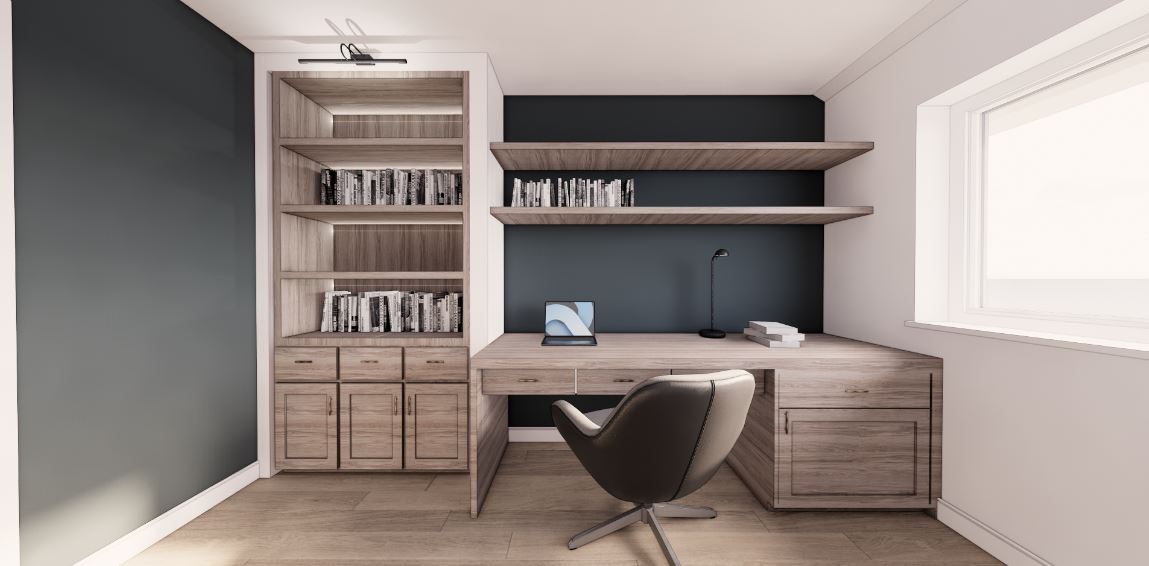
Place your desk near a window, if possible. Natural light reduces eye strain and helps you to stay alert and can really boost your energy through the day.
2. Office Chair
A good office chair helps you sit properly, supports your back, and keeps your posture right. It reduces strain during long work hours and makes it easier to stay focused.
3. Tidy Workspace
A neat workspace often leads to a clearer mind. Try to keep only the essentials within reach and tuck away anything you don’t need right away in a nearby storage space.
4. Basic storage
Things like notebooks, cables, and papers pile up quickly. A small drawer, a few boxes, or even a simple shelf can help you keep things in order without using much space.
5. Reduce noise
If your space is noisy, use soft items like curtains or rugs to absorb sound. You can also use noise-cancelling headphones to focus better during calls or deep work sessions.
6. Soft lighting
A warm desk lamp makes your workspace feel cosy and easier on the eyes, especially at night. It’s much calmer than harsh ceiling lights and helps you settle in better.
7. Personal Touch
Small touches like a favourite mug, a framed photo, or a plant can make your desk feel more comfortable. When a space feels personal, it’s easier to settle in and get started.
Smart Ideas for Small or Multi-Use Spaces
Not everyone has a spare room to turn into a home office, and that’s completely normal. Most of us share our space with our families, so we need to be resourceful and make use of whatever’s there in the best possible way. You don’t need a lot of space to set up a home office; a compact, practical, and comfortable nook works just fine.
Here are some simple and useful ways to set up a home office, even in a small or shared space.
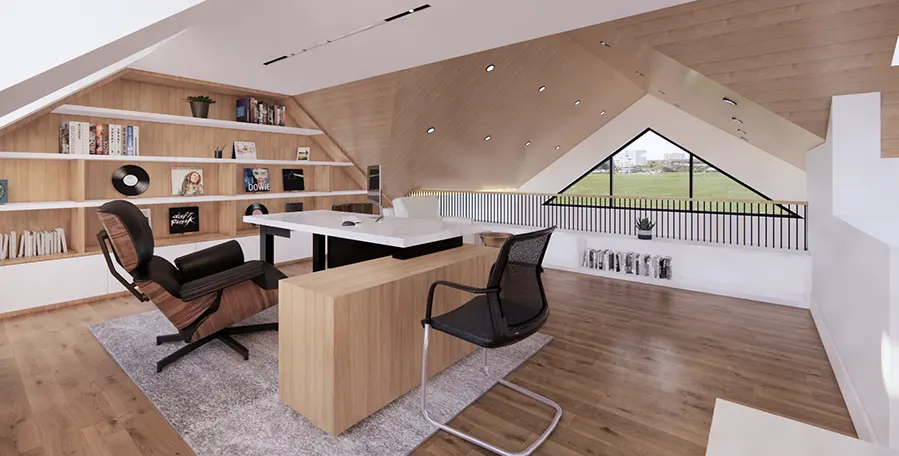
1. Use the Landing as a Quiet Corner
It might not seem like much at first, but a landing or upstairs hallway can feel surprisingly peaceful. All you need is a slim desk, maybe a floating shelf, and a stool or chair that tucks away neatly. Add a soft lamp and something on the wall to warm it up a bit. Before you know it, it becomes a spot where your thoughts settle easily.
2. Slip a Desk into the Kitchen
Kitchens are often the heart of the home—and sometimes, the only place where you can sit down in peace. If there’s a free wall or corner, fit in a small table or worktop. You could even hide it behind a cupboard door if you’re short on space. It’s close to coffee, it’s warm, and somehow, it just works.
3. Make the Guest Room Do Double Duty
If the guest room isn’t used all the time, it makes sense to let it do more. A small desk near the window, a few shelves, and a cosy chair is all it takes. The space still feels inviting when someone visits, but on regular days, it quietly helps you stay on top of things.
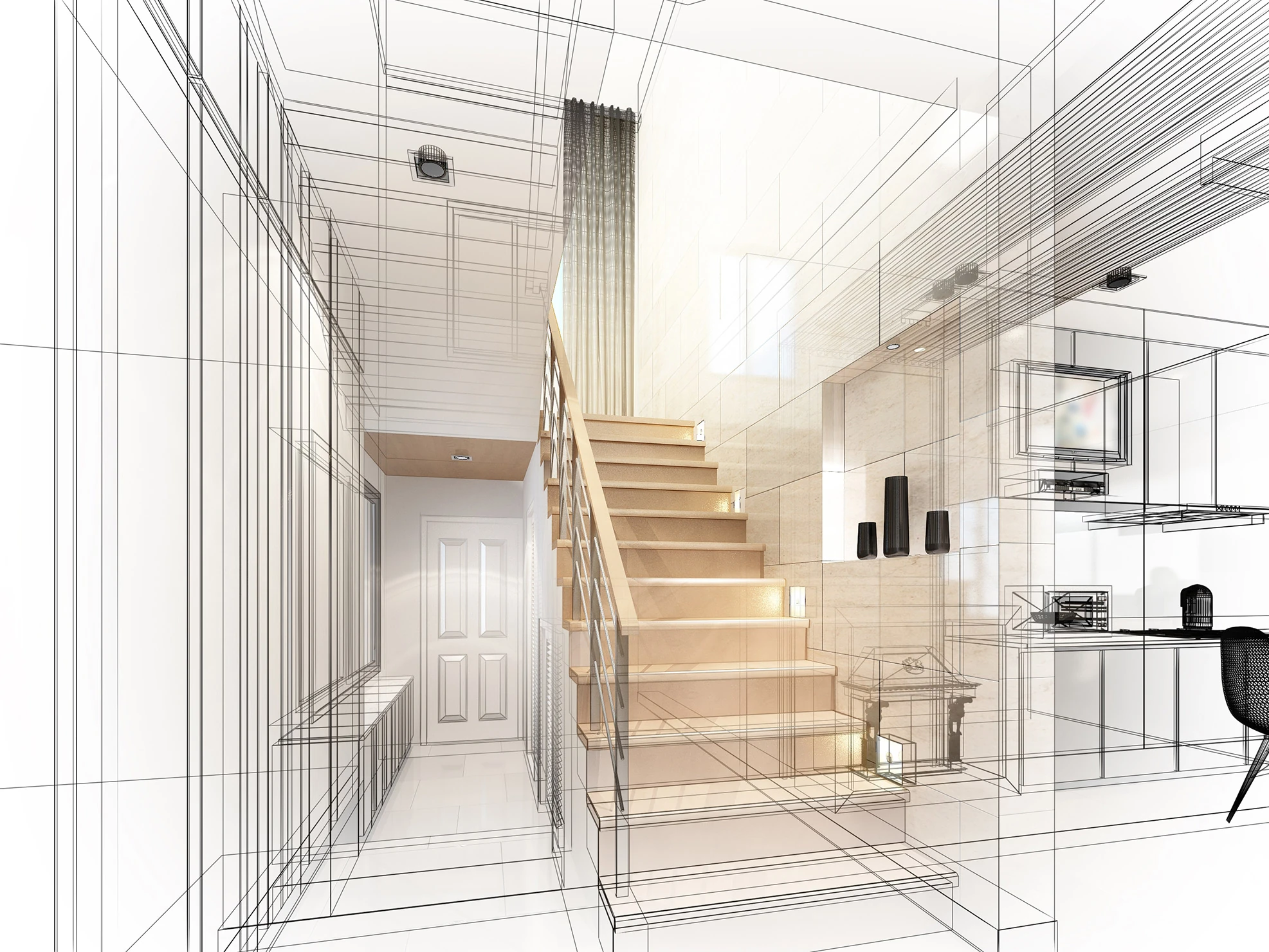
4. Look Under the Stairs
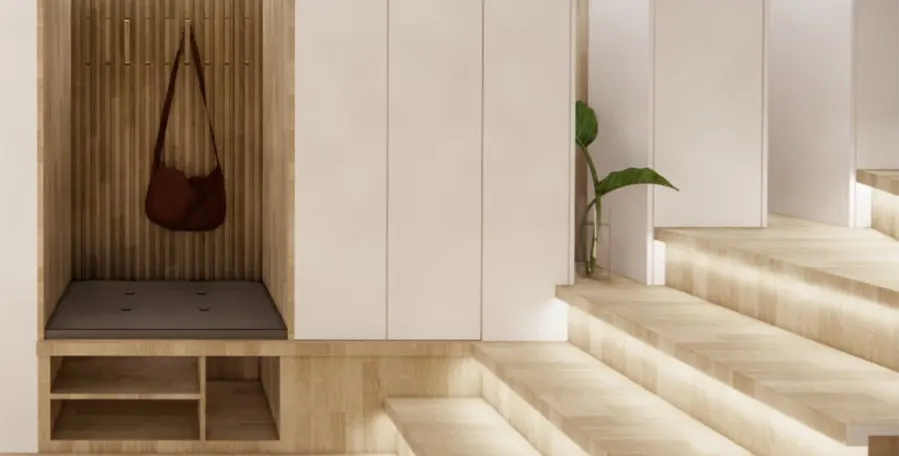
The space beneath the stairs often turns into a dumping ground—but it doesn’t have to. A little clean-up, a made-to-fit desk, and a few wall shelves can turn it into a hidden gem of a workspace. It feels like your own private nook, right there in the middle of home life.
5. Use Colour or Rugs to Mark Out a Zone
If your work setup shares space with a living room or bedroom, try defining it with a change in colour or texture. A rug, a painted patch of wall, or even a tall plant can make that corner feel separate. It helps the mind switch between roles, even if your feet haven’t moved much.
6. Make Odd Corners Feel Intentional
Some homes have those strange cut-out spaces or deep window bays. Instead of leaving them empty, you could add a built-in shelf or a tiny desk that fits snugly. It won’t take over the room, but it will give you a spot that feels just yours.
7. Add Pocket Doors for Flexibility
If you’re planning a renovation or updating a layout, pocket doors are a brilliant idea. They tuck away when not in use and let you close off your workspace when the day is done. It gives you privacy without needing a whole new room.
8. Turn a Cupboard into a Tiny Office
Even a storage cupboard can surprise you. A fold-down desk, a plug point inside, and a chair that slides in—nothing more. At the end of the day, you shut the door and it’s gone. Neat, simple, and very satisfying.
With a little thought, you can shape even the smallest space into something that works for you. It doesn’t have to be picture-perfect or grand. What matters is that it gives you peace to focus, and the comfort of knowing you can switch it off when the work’s done.
Interior Design Tips for a Modern, Functional Work Zone
A modern home office doesn’t need much, just a calm, tidy space that lets you work with focus. These small changes can help make it both useful and comfortable.
Here’s how to get that balance right without losing the feel of your home.
- You can pick soft colours like grey or beige to make the room feel open and big.
- Paint a bold colour or add a pattern on the wall to add a pop of colour.
- Use a warm lamp or soft LEDs to light your desk, don’t strain your eyes.
- Place your plug points out of sight or go for wireless chargers.
- Choose simple furniture that fits the space and doesn’t feel bulky.
- Add a small plant or photo frame to your desk for that personal touch.
Once your workspace looks right, working from home starts to feel less like a chore and more like a choice.
Conclusion
Working from home has become the new normal. And a home office has become a necessity to help with your productivity and posture. Small details like natural light, smart storage, and a clean workplace are directly proportional to how focused and comfortable you feel.
At Extension Architecture, we understand the importance of good design in the way you live and work. If you’re thinking about upgrading your home office, our team is here to help you turn that plan into functional reality.