Can My Neighbour Stop My House Extension? Your Legal Rights Explained
No, your neighbour cannot stop your extension simply because they dislike it. In the UK planning system, objections are only relevant if they raise a material planning consideration. Personal opinion, loss of a view, or a drop in property value do not count.
That said, a neighbour can slow your project down or create real problems if you get the legal basics wrong. At Extension Architecture, we manage this process for clients across London every week, so here is what actually matters.

Key Insights at a Glance
- A neighbour’s objection alone cannot block planning permission unless it raises a material planning consideration such as loss of light, privacy, or overshadowing.
- Permitted development rights do not require neighbour consent, but larger single storey rear extensions go through a neighbour consultation scheme under prior approval.
- The Party Wall Act 1996 is separate from planning law and covers shared walls, boundaries, and excavation near a neighbour’s foundations.
- A right to light claim is a civil matter, not a planning one, and only succeeds if it can be proven in law, which is rare for most house extensions.
- Councils weigh objections against planning policy, not neighbour preference, so a well designed scheme with sound evidence usually proceeds.
- Early neighbour engagement and a party wall surveyor reduce delay far more effectively than waiting for a dispute to happen.
What Rights Do Neighbours Actually Have in Planning Decisions
Neighbours have the right to be consulted and to comment on a planning application. They do not have a right of veto.
The council must consider every objection, but only against material planning considerations. These include:
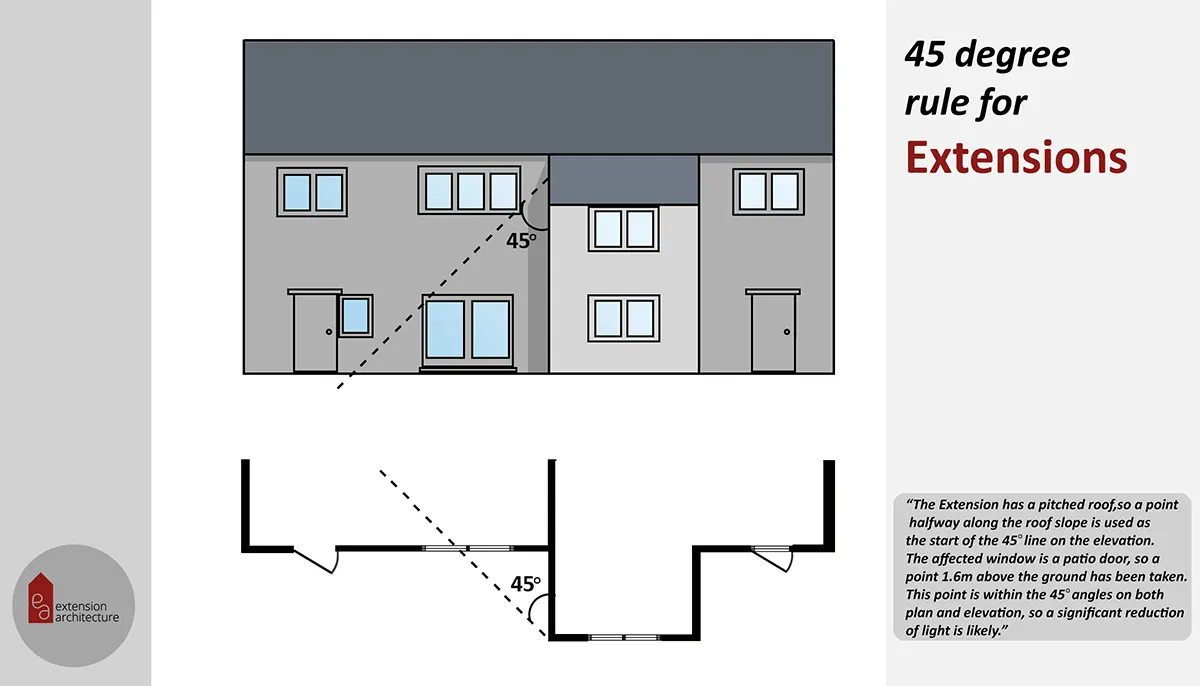
- Loss of daylight or sunlight
- Overlooking and loss of privacy
- Scale, massing, and visual impact
- Noise, disturbance, or traffic during construction
Objections based on disputes with a neighbour, jealousy, or general dislike carry no legal weight. Planning officers are trained to filter these out.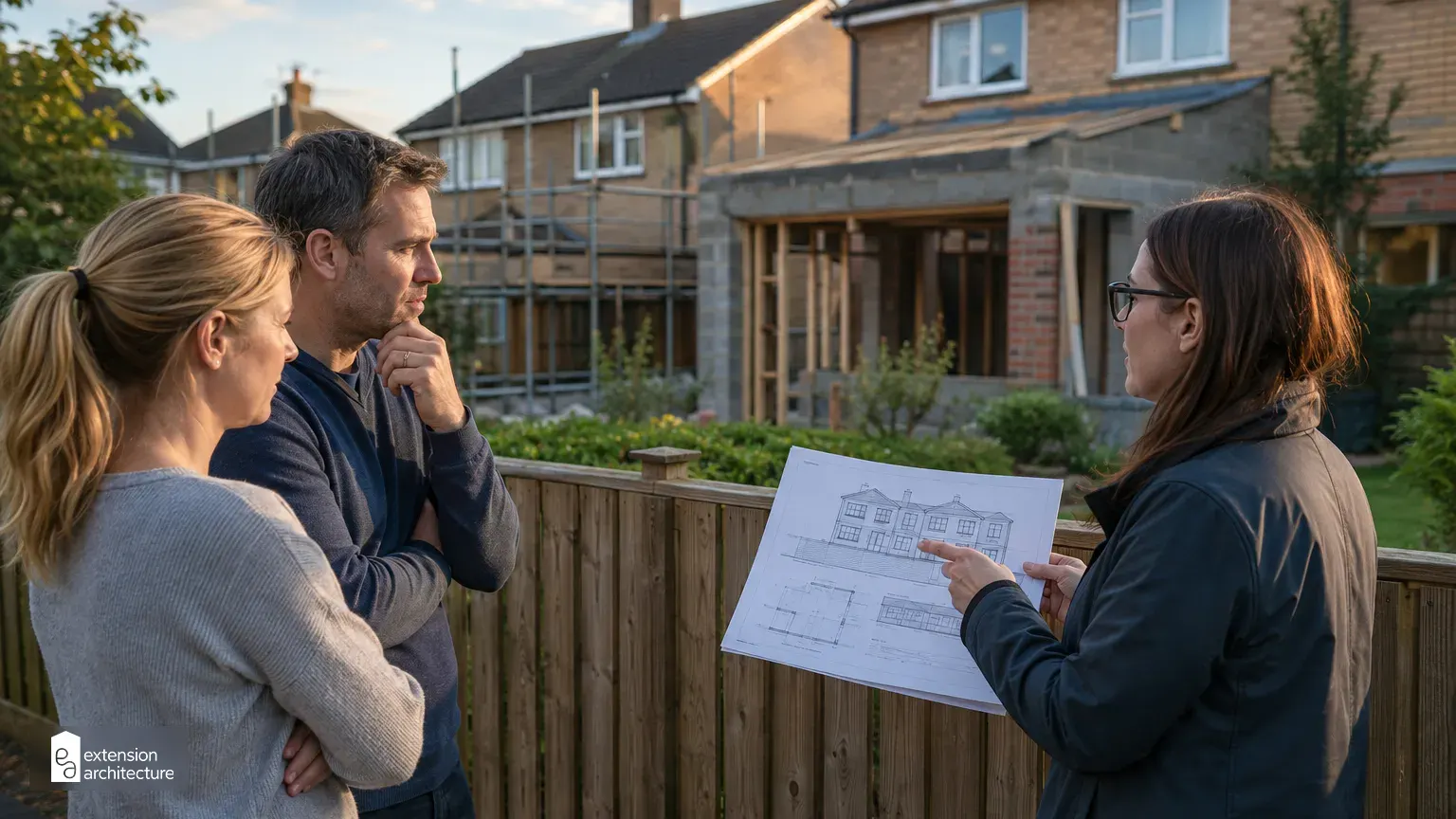
Objecting to Permitted Development vs a Full Planning Application
This is where most confusion sits, and it depends on your route.
Permitted development (PD) Many single storey extensions do not need planning permission at all. Neighbours are not formally consulted, although larger rear extensions (beyond 4m for detached houses or 3m for others, up to the maximum limits) go through a lighter touch neighbour consultation scheme under prior approval. Here, the council only considers the impact on neighbouring amenity, not design.
Full planning application Larger or more complex extensions need full planning permission. Neighbours are formally notified and can submit written objections, which the council must consider and respond to in its decision.
Knowing which route applies changes your entire strategy, and it is one of the first things we check for clients before design work begins.
Material vs Non-Material Objections: What Actually Counts
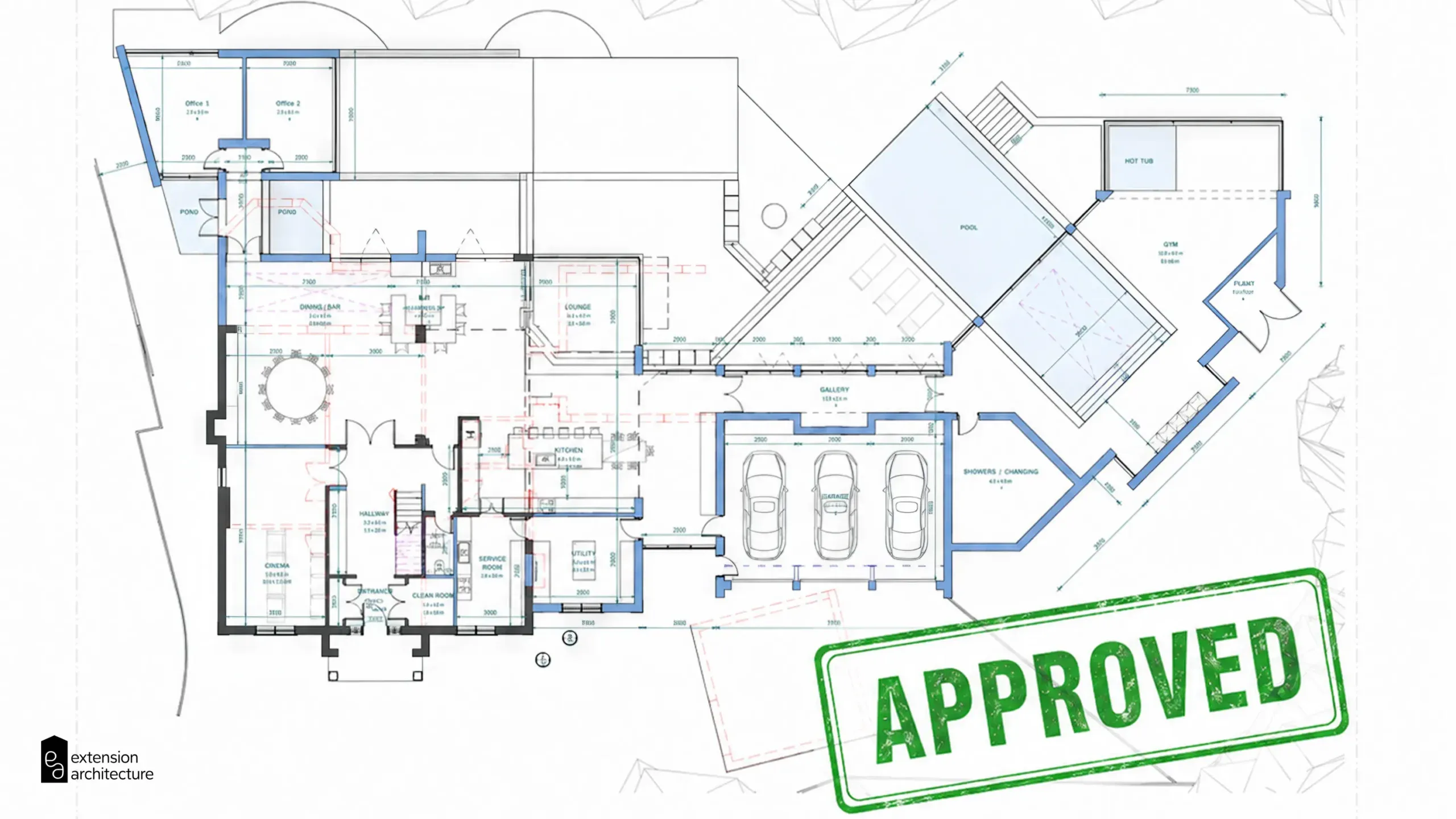
Councils only act on material objections. A material objection relates directly to planning policy and impact.
Material objections include:
- Overshadowing and loss of light
- Overlooking new windows or balconies
- Design that is out of character with the street
- Loss of parking where policy requires it
Non-material objections include:
- “It will reduce my property value”
- “I don’t like the design”
- “We have a personal disagreement”
- “It sets a precedent I don’t want”
If an objection only raises non-material points, the council will note it but it will not affect the outcome.
The Party Wall Act and Shared Boundaries Explained
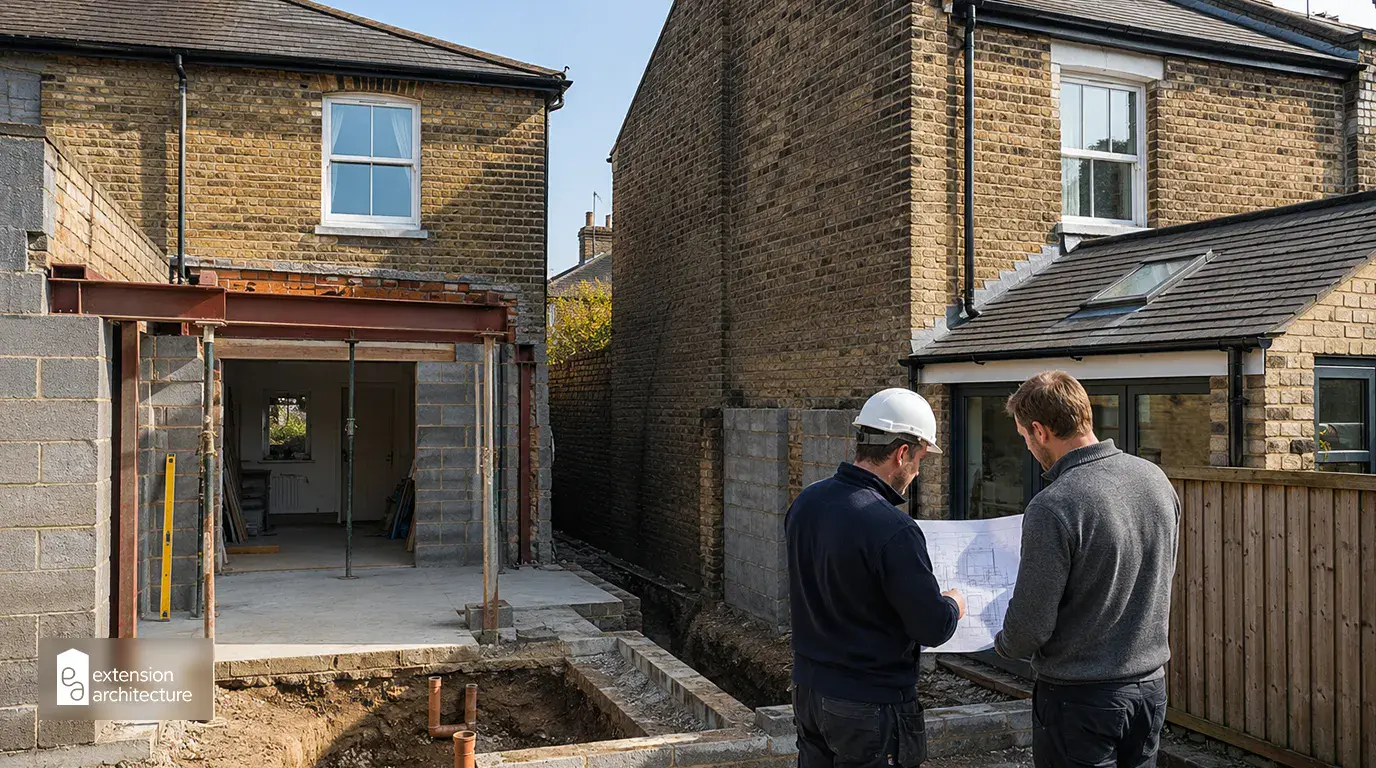
The Party Wall Act 1996 sits outside planning law entirely. It applies when work involves:
- A shared wall between two properties
- Excavation within 3m or 6m of a neighbour’s structure (depending on depth)
- Building astride or up to the boundary line
You must serve a Party Wall Notice before starting work. Your neighbour can consent, stay silent, or dissent. If they dissent, a party wall surveyor is appointed to agree a Party Wall Award before work begins.
This process cannot stop your extension outright, but it can delay your start date if notices are served late.
Right to Light: Can a Neighbour Block Your Extension Over Daylight
A right to light is a civil legal right, separate from planning permission. It usually only applies where a neighbour’s window has enjoyed uninterrupted light for 20 years or more.
Even where this right exists, a neighbour must prove the reduction in light is substantial, not just noticeable. Most single storey and modest two storey extensions do not breach this threshold.
Planning permission can still be granted even if a right to light concern exists, because the two systems operate independently. A neighbour would need to pursue a separate civil claim, which is costly and rarely pursued for typical residential extensions.
What Happens if Your Neighbour Formally Objects
An objection triggers a formal response process:
- The council logs the objection during the consultation period.
- A planning officer assesses it against material considerations.
- The officer includes a response in their committee report or decision notice.
- Permission can still be granted if the objection has no planning basis.
A single objection rarely stops an application. Multiple objections raising genuine material issues carry more weight, especially where the design has clear amenity impacts.
Resolving Disputes Before They Reach the Council
The most effective route is simple: talk to your neighbour before you submit.
- Share drawings early and explain the design intent.
- Address obvious concerns, such as window positioning, before formal submission.
- Keep written records of any agreements reached.
- Use a party wall surveyor early if shared boundaries are involved.
Most disputes come from surprise, not substance. A neighbour who feels informed is far less likely to object formally.
When You Might Need a Solicitor or Party Wall Surveyor
Bring in professional support when:
- Your neighbour has appointed their own surveyor under the Party Wall Act.
- A right to light claim is raised with any supporting evidence.
- Objections escalate to a formal legal dispute over boundaries.
- You need a Party Wall Award before starting excavation work.
At Extension Architecture, we coordinate with party wall surveyors and planning consultants as standard, so disputes are managed properly from the outset rather than after work has stalled.
Frequently Asked Questions about “Can My Neighbour Stop My House Extension? Your Legal Rights Explained”
Can a neighbour legally stop my extension? No, not on their own. They can raise objections, but only material planning considerations affect the council’s decision. Personal disagreement has no legal standing.
Do I need my neighbour’s permission for permitted development? Not usually. Standard permitted development does not require consent. Larger rear extensions go through a neighbour consultation scheme, but this checks amenity impact, not approval.
What is the neighbour consultation scheme? It is a prior approval process for larger single storey rear extensions. The council notifies adjoining neighbours and considers only their amenity concerns before deciding.
Does the Party Wall Act give my neighbour the power to refuse my extension? No. It governs how shared walls and boundary excavation are managed, not whether the extension can proceed. Dissent leads to a surveyor appointed Award, not a block.
Can a neighbour stop my extension over loss of light? Rarely. A right to light claim needs 20 years of established light and proof of substantial loss. Most extensions do not meet this threshold.
How many objections does it take to refuse an application? There is no fixed number. Councils assess the planning merit of each objection, not the count. One strong material objection can matter more than several weak ones.