Freehold vs Leasehold UK: Meaning, Differences & Conversion Costs
In this article, discover what it means to buy or move into a freehold or a leasehold property along with the benefits, key differences, and the cost of conversion between the two.

In Brief
- A freehold property holds more merit and benefits you in the long run by offering better value and control.
- Converting a leasehold property into a freehold involves contemplation of several factors.
- A leasehold property is comparatively affordable but comes with certain restrictions and ongoing costs.
- Converting a leasehold property to a freehold property ups the value and offers a lot of freedom.
If you are planning to purchase a property or move into a new property, you can visit us and seek expert advice and guidance on matters of legality, technical considerations, and other related factors.
In the UK, when you are buying or moving into a new property, you will usually find that they are sold either as a freehold or a leasehold. These two terms refer to the type of property ownership especially common with houses and flats.
Understanding the difference between a freehold and a leasehold property is crucial before you buy a property as it significantly impacts ownership rights, short-term & long-term costs, and several other responsibilities & obligations after you occupy the property. Any decision made with a wrong understanding will cost you financially which may also include you being subject to paying off a mortgage which was never yours.
Freehold vs Leasehold: What’s the Difference and How to Convert
Essentially, if you have a freehold on the property, you own both the land and the property built on the land. This ownership, by all means, is a perpetual ownership and is common among many jurisdictions. Whereas, if you are a leaseholder of a property, you will no doubt own the property for a specified period, but you’ll have no ownership or rights on the land on which the property is built.
How to Convert a Leasehold Property into Freehold?
There are several ways to convert a leasehold property into a freehold. Converting a leasehold to a freehold property typically involves a legal process that requires the intervention of solicitors or conveyancers. If you are planning to convert your ownership from a leasehold to a freehold, you should first serve a notice to the freeholder by expressing your intent to buy the freehold. The freeholder will then negotiate the terms of the agreement by putting forward their conditions or whether they too are interested in considering.
If you are a leaseholder, you are entitled to express your intent under the Leasehold Reform Act 1967 and the Leasehold Reform, Housing and Urban Development Act 1993. In technical terms, you are exercising your right to enfranchisement by serving a formal notice to the freeholder, potentially by means of offering a price which can be up for further negotiation. If an agreement cannot be reached, there is still a possibility by means of applying to the Leasehold Valuation Tribunal.
Below are the key steps involved –
1. Check Eligibility
- You’ve owned the property on lease for at least 2 years.
- The lease must originally have been granted for a term exceeding 21 years. For example, if the lease was originally granted for 99 years, even if you had 60 years remaining on the lease term, you will still be eligible.
- If you have a house, you are then comfortably eligible for the conversion.
- In case of a flat, the conversion can only happen through collective enfranchisement (a legal process that allows leaseholders of a building or a flat to collectively purchase the freehold). The proportion/percentage of leaseholders should be at least or more than 50%.
2. Get a Valuation
Once you are found eligible for the conversion, hire a chartered surveyor to estimate the cost of the property for a freehold. The valuation will likely be on years left on lease, property value, ground rent, etc.
3. Serve a Notice
Now you can serve a formal notice to the freeholder based on the valuation, expressing your intent to buy the freehold. This usually happens through a Section 5 or Section 13 Notice.
After you have submitted the notice, you should allow the freeholder to respond. The freeholder should usually respond within 2 months.
4. Negotiation
What follows next is that the freeholder either agrees to your offer, declines the offer, or wants to negotiate the price. If there are any further disputes, the matter will reach the First-tier Tribunal to be settled.
5. Complete the Purchase
In case of a house, then terms are agreed wherein you pay the sum and complete the purchase of a freehold.
In case of a flat, the freehold is often held by a group formed by multiple leaseholders. Your flat will then be transferred to a share-of-freehold status.
What Does Freehold Mean?
When you are buying or taking ownership of a freehold property, it means that you are the absolute owner of both the building and the land it is built. It also means that you are assuming complete control over the property and will be the sole responsible person for everything that goes on with the property, including repairs, maintenance, and the overall upkeep of it.
There are types of freehold properties, which though is not a great necessity, but knowing them is better –
Fee Simple Absolute Freehold: Grants owner, complete and unrestricted ownership.
Fee Simple Defeasible Freehold: Similar to fee simple absolute, but with certain conditions attached to ownership.
Life Estate Freehold: Here, the owner has the absolute right to use and occupy the property for their lifetime, but upon their demise, the ownership is transferred to a designated beneficiary.
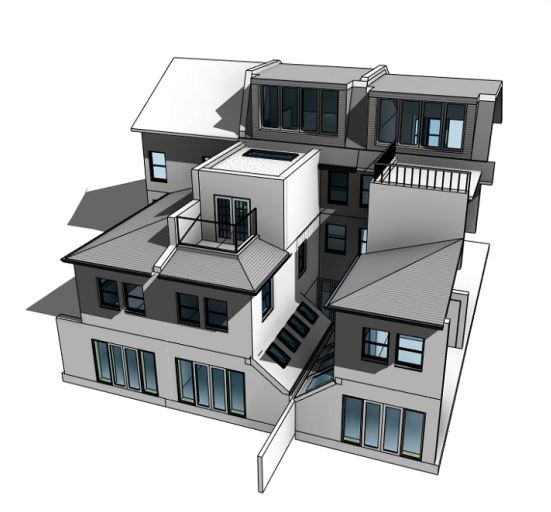
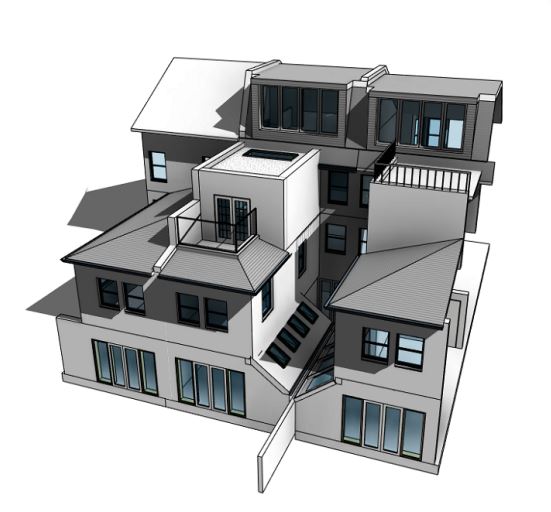
Flying Freehold: A condition where the complete property, or a part of the property, is over another piece of land. For example, if a room or a balcony, or a staircase extends over or under another property.
Share Freehold: A condition where there are multiple owners for a freehold property. This is often found in flats as “collective enfranchisement”.
Commonhold: A condition where individual owners own their respective units, with each unit holder possessing a share in the freehold.
What is Leasehold and How Does it Work?
In a leasehold, you are the owner of the built property for a set period, but you will not own the land on which the property is built. In the UK, initial leasehold terms can vary from 99 years to 125 years, and some go beyond 999 years.
Once the lease period ends, the ownership of the property will return to the freeholder of the land, but not before the leaseholder has paid annual maintenance costs, repair costs, ground rent, and the over upkeep of the property.
- The freeholder usually owns the responsibility for areas such as the exteriors of the house, roof, hallway, and staircase.
- The leaseholder owns the interior of the property and has the right to either live there or rent it out.
As a leaseholder, below are the responsibilities you are entitled to –
- Paying ground rent
- Paying service charges for the maintenance of certain areas such as lifts, garden, hallways, etc.
- Pay towards major repairs through a reserve fund.
- Seeking permission from the freeholder in case of planning any structural changes to the property.
Freehold vs Leasehold: Key Differences
While till now we have attained some clarity with regards to freehold and leasehold ownerships, let’s explore a few key differences between the two –
Leasehold Property
Cost: Usually inexpensive compared to freehold.
Ownership: You own the right to occupy the property for a specific period (21 years, 99 years, 125 years).
Tenure of Ownership: The lease term has a definite time and is finite, and upon the termination of the term, the ownership goes back to the freeholder.
Restrictions: A leaseholder will be subject to restrictions on what they can or cannot do with the property.
Maintenance: Unless specified, the freeholder will be responsible for the overall maintenance. A leaseholder is typically responsible for the interiors of the property.
Financial Obligations: A leaseholder will not be responsible for any costs that involve potential loans or mortgages on the property.
Freehold Property
Cost: Freehold properties tend to be pricier than leasehold properties.
Ownership: A freeholder holds absolute, perpetual ownership of the property.
Tenure of Ownership: The ownership in a freehold is indefinite with no lease terms to worry about.
Restrictions: If you are a freeholder, you can then make any changes or improvements to the property without needing permission.
Maintenance: Being a freeholder, you will be responsible for all the maintenance or repairs that befall the property.
Financial Obligations: A freeholder will be responsible for any costs that involve potential loans or mortgages on the property.
How Much Does It Cost to Convert a Leasehold to Freehold?
The cost of converting a leasehold property to a freehold property varies based on various factors, including the ground rent, the term of the lease agreement, and the property value.
Below is a breakdown of the same –
1. Property Value
The cost of a freehold property largely depends on the value of the property and is usually calculated as a part/percentage of the property’s current market value.
2. Term of the Lease
The shorter the term of the lease, the higher will be the cost to convert. This is because, shorter lease term implies that the property value is subject to depreciation if not maintained well or due to market conditions. The depreciation plummets the property value, affecting its resale, thus making the cost to convert impactful against the overall investment.
3. Ground Rent
The current value of the ground rent will be added to the total cost of conversion. For example, if you are converting a leasehold to freehold, it means the owner will stop receiving the annual rental cost and would want to compensate for the stalled income as ground rent.
4. Professional Fee
Most professional fees depend on the quality, type, and complexity of the conversion.
Surveyor’s Fee for Valuation: £500 to £1,500 Solicitor’s Fee: £500 to £1,800 Freeholder’s Legal Fee (paid by the leaseholder): £500 to £1,500 Land Registry Fee: £30 to £1,000 (depends on the property value) Tribunal Fee (if required): £300 to £1,200
5. Stamp Duty Land Tax
This charge is applicable only for purchases that are valued above £2,50,000. If it is a buy-to-let or a second home, then the stamp duty land tax will be applied for a value above £1,25,000.
The overall average cost of a freehold purchase, including all the fees accounted for, may amount to £8,500.
Conclusion
When comparing the two, a freehold is generally more secure and is cost-effective in the long run; while a leasehold comes with its own share of responsibilities and limitations, but is a manageable ownership which has its own merits, especially for those who cannot afford a huge initial investment.
If you are planning to buy a property or are thinking of converting a leasehold to a freehold property, it is imperative that you understand the terms and the adjoining rules. Experts at Extension Architecture can always guide you on any such information. Call us or visit us to know more.